Leather vs Textile Jackets: Which Build Fits Your Brand?
Leather vs textile jackets: compare look, protection, weight, cost and minimums to choose the right material for your apparel brand.
Key takeaways
- Leather jackets sell on look, feel and lifespan. Textile jackets sell on weight, weather protection and price.
- For motorbike gear both can protect well. Leather is strongest against abrasion, textile is easier to waterproof and ventilate.
- Leather costs more per piece and every hide is a little different. Textile gives you more colours and more consistent batches.
- Many brands start with one hero leather jacket and a textile line beside it.
Leather vs textile jackets is one of the first decisions a new apparel brand faces, and one of the most expensive to get wrong. The material sets your price point, your look, your customer and even your season.
We make both every week in our Sialkot factory, from full-grain biker jackets to waterproof textile riding gear. Here is how we help brands choose, based on what actually sells and what holds up.
Leather vs textile jackets: the short answer
Choose leather if your brand is built on heritage, craft and a product that lasts for years. Choose textile if your customers want lighter, weatherproof jackets at a lower price, or if you need a wide range of colours.
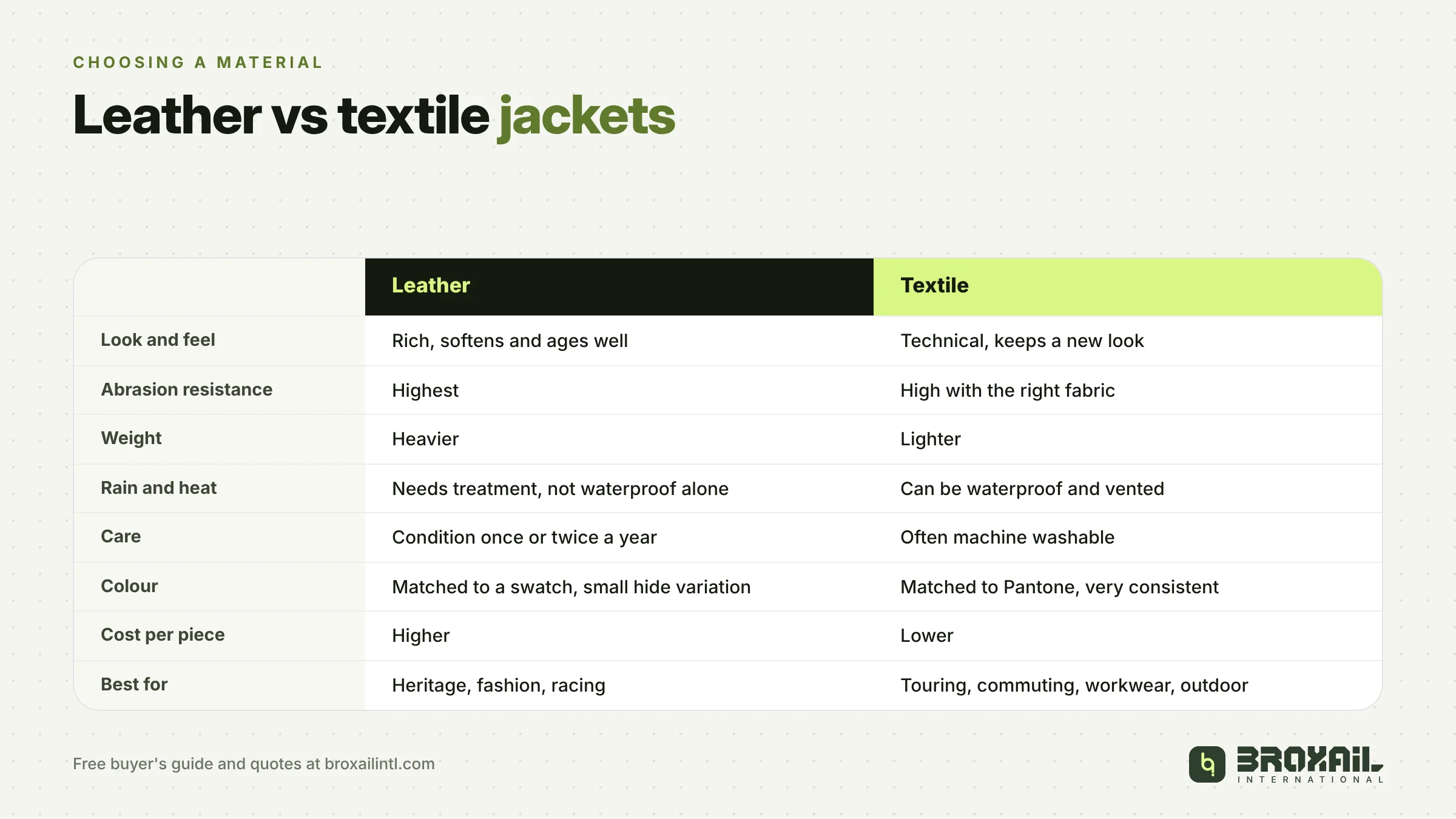
When comparing leather vs textile jackets, neither is better in every way. The right answer depends on who you sell to and what they use the jacket for.
What leather brings to your range
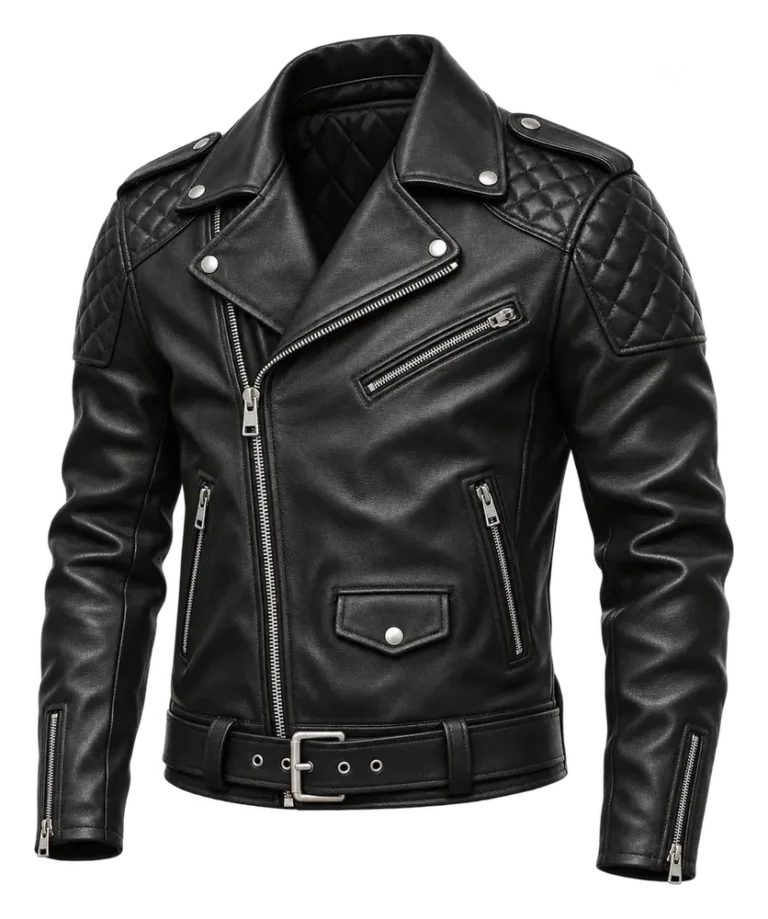
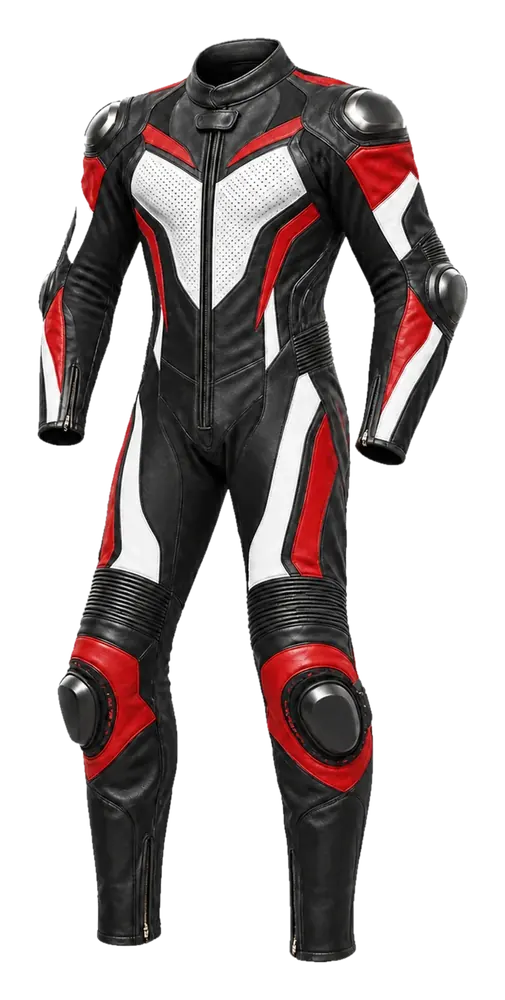
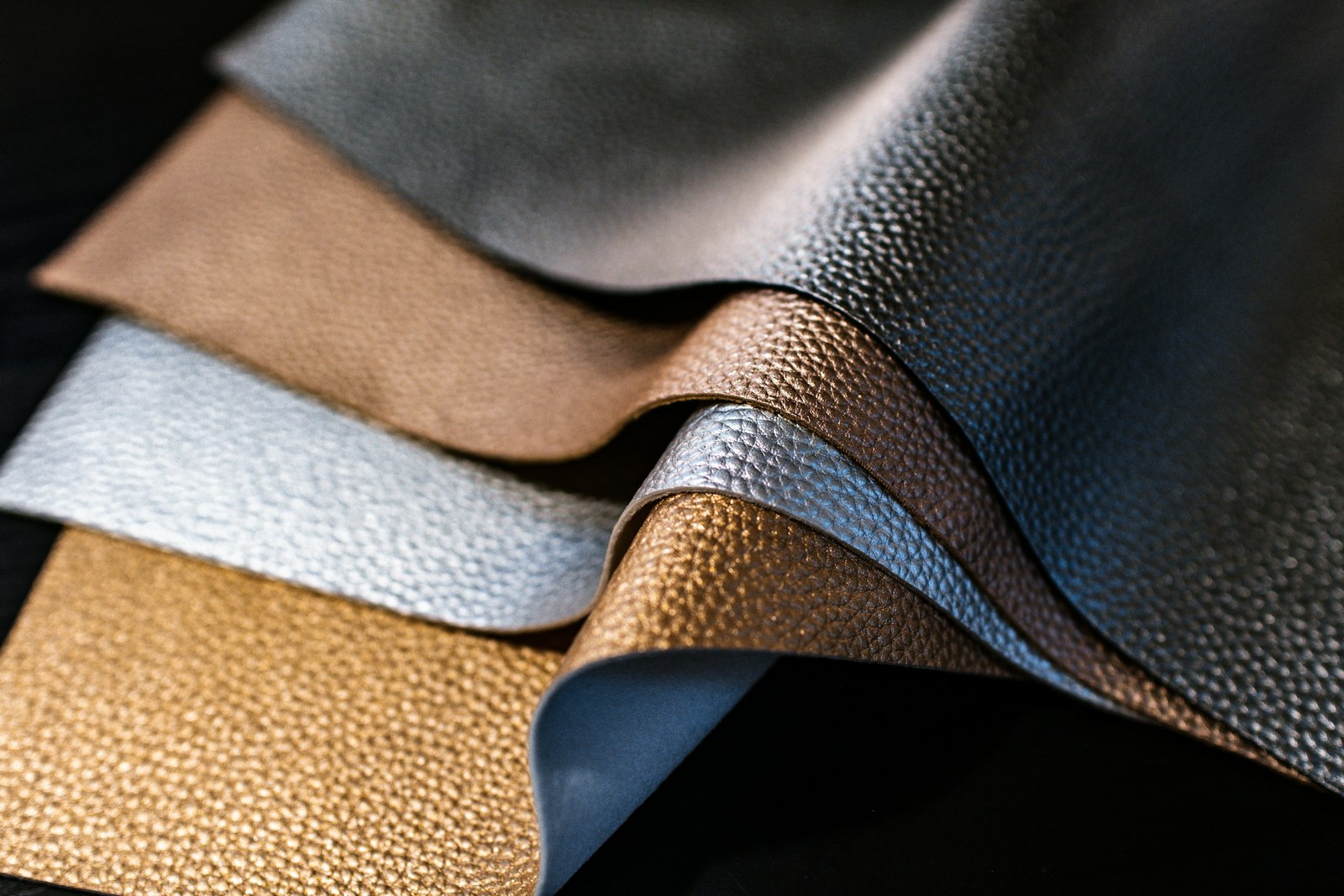
Leather has a feel nothing else copies. It softens and shapes to the wearer, it ages well and a good jacket can last a decade or more. For fashion and motorbike brands that sell on quality, that story is part of the price.
We mostly work with cowhide, goatskin and sheepskin. Cowhide is tough and has the weight riders expect. Goatskin is lighter with a fine grain. Sheepskin is the softest and suits fashion pieces. The finish matters too: aniline leather shows natural marks and feels rich, semi-aniline is more even, and waxed or pull-up leathers develop character as they are worn.
In the leather vs textile jackets comparison, the trade-offs are real. Leather is heavier, it needs care, it is not waterproof on its own and it costs more per piece. Every hide is also slightly different, so expect small variations in tone between jackets. You can see how we use it across our leather apparel range.
What textile brings to your range
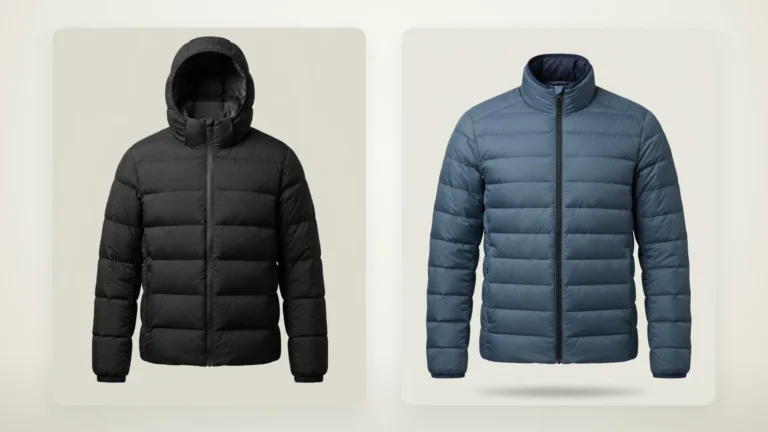
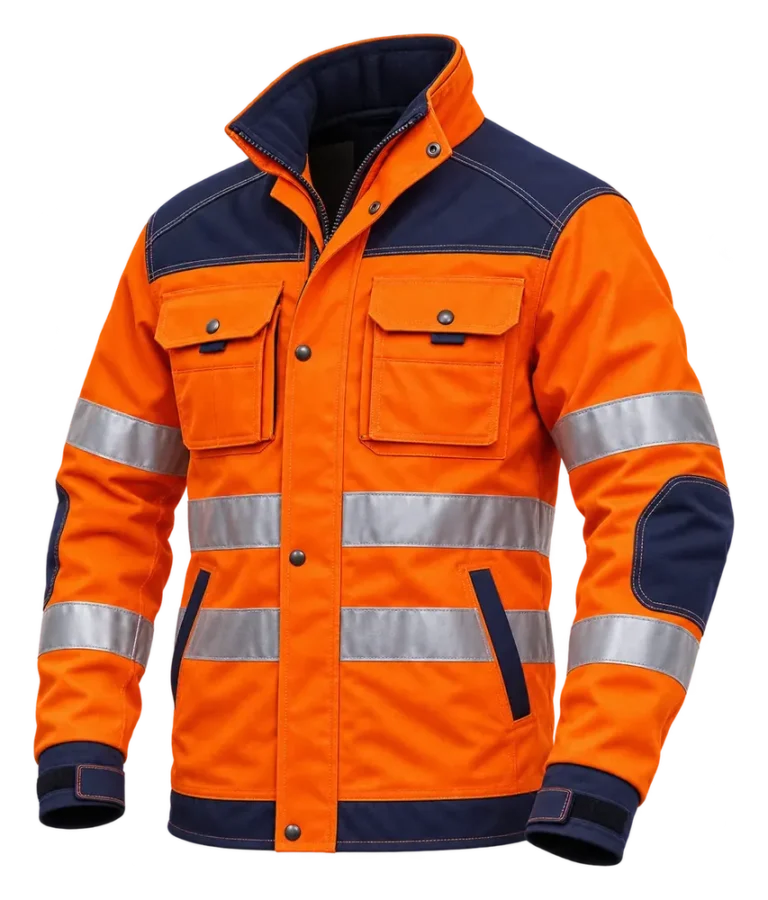
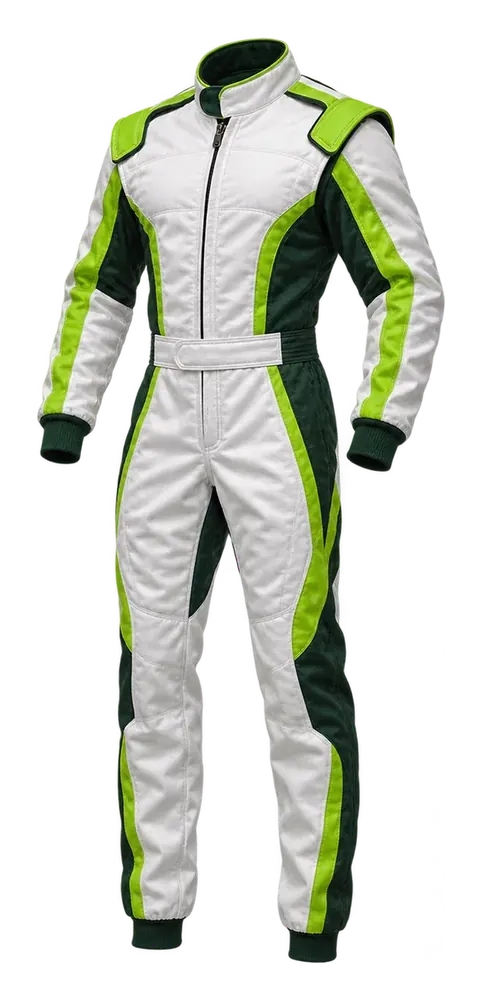
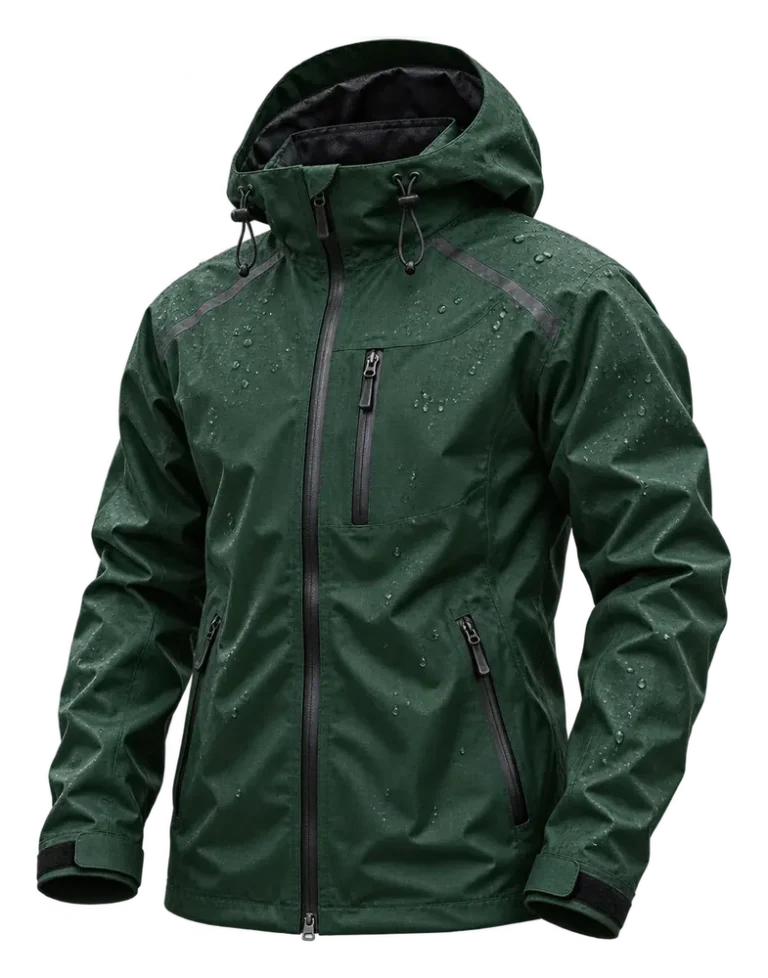
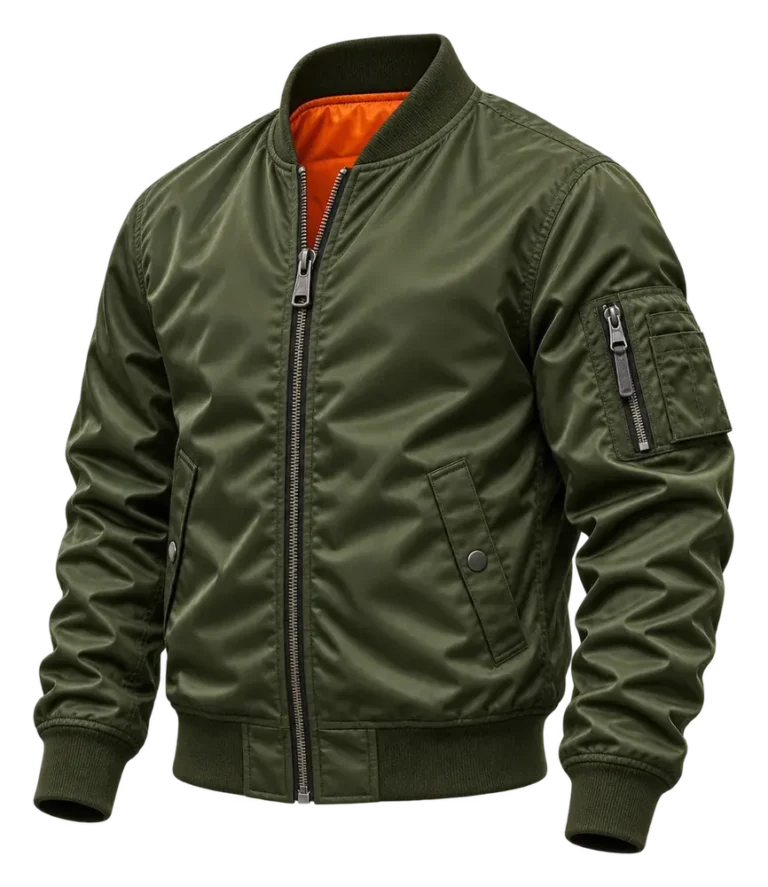
Textile jackets are made from technical fabrics such as polyester and nylon, often in heavy-duty weaves like CORDURA fabric. They are lighter than leather, can carry a waterproof membrane and are easier to add vents, reflective panels and removable liners to.
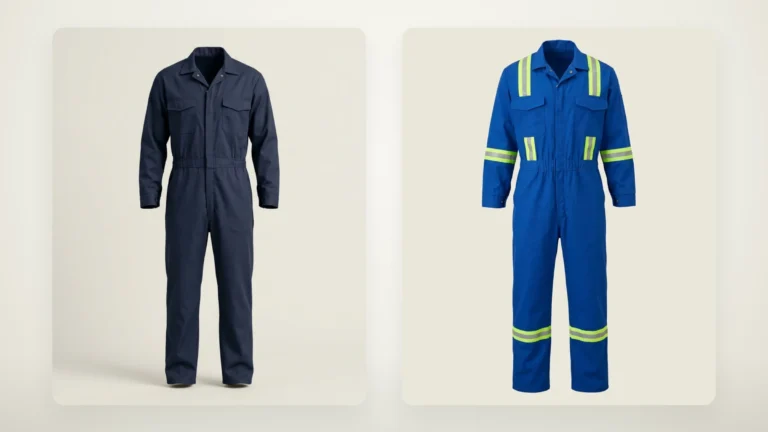
For brands, textile has practical benefits. The fabric comes in rolls, so colour and quality are consistent from the first piece to the last. You can choose almost any colour, and the price per piece is usually lower, which helps if you sell through retailers who need margin. Our outdoor and tactical and workwear ranges are mostly textile for these reasons.
The trade-off with textile in leather vs textile jackets is that textile does not age the way leather does. It looks its best when new, and cheaper fabrics can fade or pill. Choosing the right fabric weight and coating is where most of the quality comes from.
Leather vs textile jackets for motorbike riders
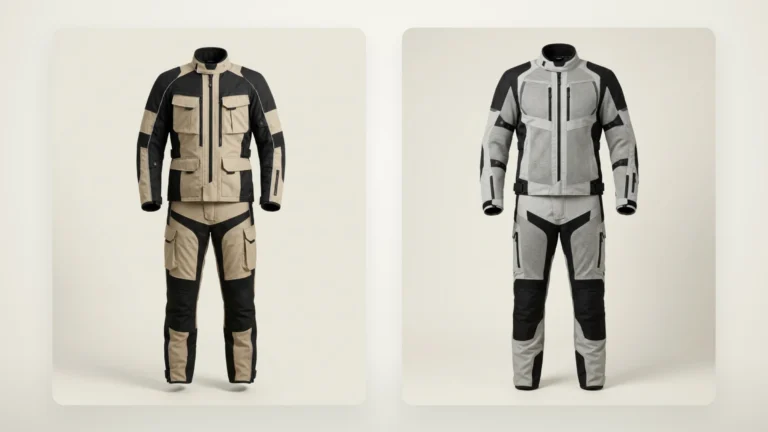
Riders ask a different question: which one protects better? Good leather has the highest resistance to abrasion when you slide on the road, which is why most racing suits are leather. Quality textile jackets with the right fabric and armour can also offer strong protection, with better comfort in rain and heat. Leather gives the most slide protection, while breathable mesh motorcycle suits give more airflow and less weight for summer riding.
When specifying leather vs textile jackets for certified protective gear, the jacket has to be tested as a complete garment against the relevant standard, for example EN 17092 in Europe. That applies to leather and textile alike, so plan for testing in your budget and timeline. Our motorbike apparel includes both leather and textile suits and jackets with armour pockets.
Care and aftercare: what your customers will ask
Care is part of the product, and customers notice it. Leather jackets need to be kept dry, wiped clean and treated with a conditioner once or twice a year so the leather does not crack. They should be hung on a wide hanger and never washed in a machine.
Textile jackets are easier to live with. Most can be hand washed or machine washed on a gentle cycle once the armour is removed, and the waterproof coating can be refreshed with a spray. Put clear care instructions on the label and on your product page, and you will have fewer returns and better reviews. We print care labels to your wording as part of every order.
Across leather vs textile jackets, if your brand promises a jacket that lasts for years, leather backed by good care advice supports that story. If your customers want something they can wear hard and throw in the wash, textile is the easier promise to keep.
Cost, minimums and lead times
Price is often where the leather vs textile jackets decision is made. Leather jackets cost more to make because the material is more expensive and cutting takes skill: a cutter works around marks and grain on every hide. Textile is faster to cut and the fabric cost is more predictable, so the price per piece is usually lower.
At BROXAIL our minimum is 50 pieces per style for both leather vs textile jackets, and samples take 7 to 10 days. Leather colours can be matched to a swatch, while textile colours can often be matched to a Pantone reference. If you want to understand the full journey from sample to cartons, read our guide to the clothing manufacturing process.
How to choose for your brand
When brands ask us about leather vs textile jackets, we always say the same thing: start with your customer, not the material. Ask what they pay today, where they wear the jacket, what weather they ride or walk in and how long they expect it to last. If the answers point to high-end and long-lasting, leather is your hero product. If they point to practical, light and affordable, start with textile.
Many of the brands we work with do both: one strong leather jacket that defines the brand, and a textile line beside it that sells in volume. Making both in the same factory keeps sizing and branding consistent across the range, and our OEM manufacturing service is set up for exactly that.
Frequently asked questions
Is leather or textile better for a motorcycle jacket?
Leather offers the highest abrasion resistance and suits sport and racing riders. Textile is lighter, easier to waterproof and better in mixed weather. Both need armour and proper testing if you sell certified protective gear.
Which is cheaper to manufacture?
Textile jackets are usually cheaper per piece because the fabric costs less and is faster to cut. Leather costs more but sells at a higher price point.
Can I order both leather and textile jackets in one order?
Yes. Our minimum is 50 pieces per style, so you can combine leather and textile styles in one order.
Will every leather jacket look exactly the same?
Not exactly. Each hide is unique, so expect small differences in grain and tone. We sort hides to keep each order as even as possible.
Not sure which way to go?
Tell us about your customer and your target price for leather vs textile jackets, and we will suggest a material and a sample to start with. You can request a quote with a photo of a jacket you like, or browse our fashionwear range for ideas.
For riders and powersports brands focusing on zoned nylon weaves and waterproof membranes, read our Cordura motorcycle jacket manufacturer breakdown.

Written by
Muhammad Abubakar
Muhammad Abubakar runs BROXAIL International, a custom leather and textile apparel manufacturer in Sialkot, Pakistan. He works with brands, labels and wholesalers from the first sample to delivery.