Cordura Motorcycle Jacket Manufacturer Guide
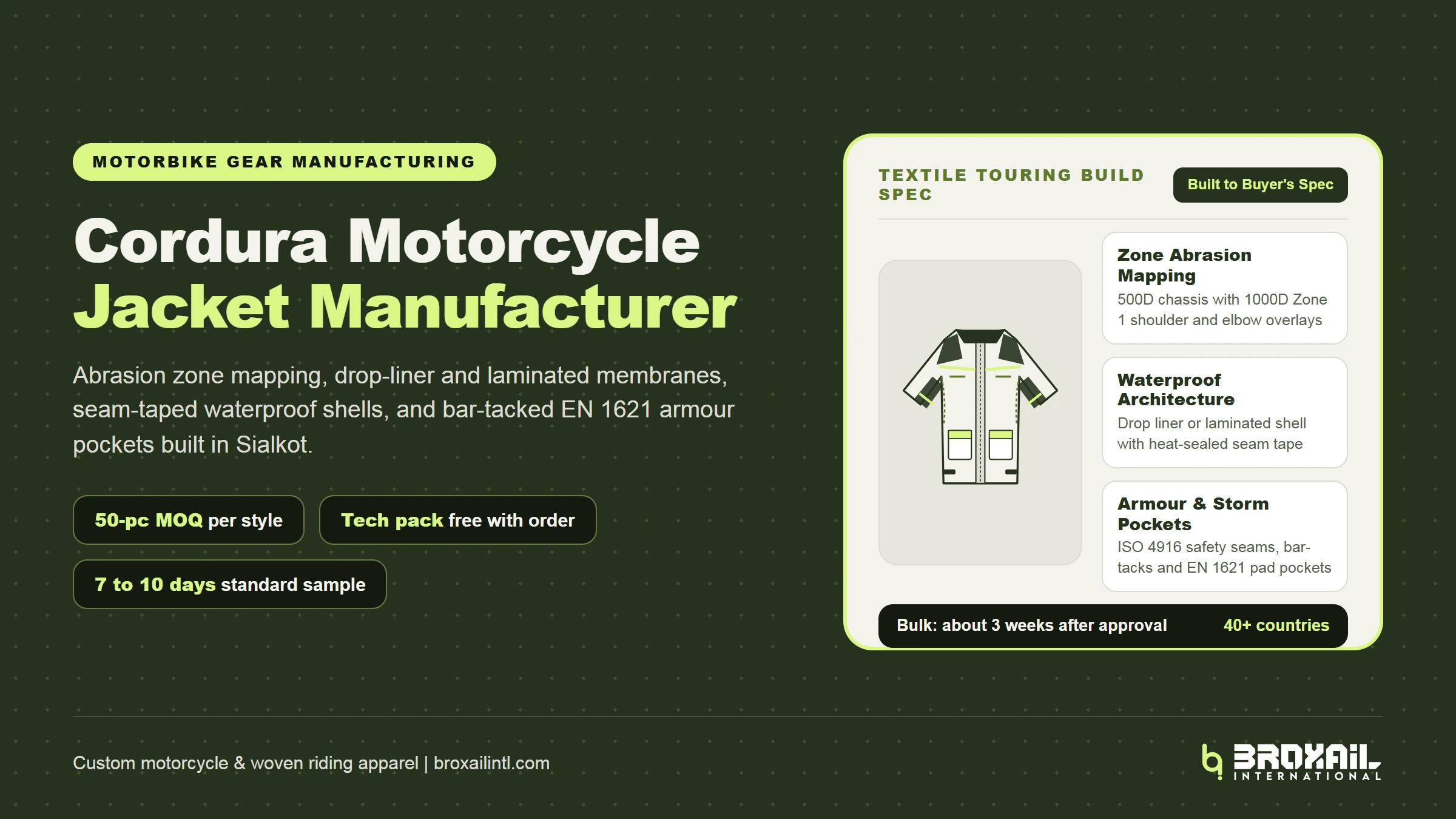
Work with a Cordura motorcycle jacket manufacturer in Sialkot. 50-pc MOQ, tech pack free with order, seam-taped waterproof options, bulk in about 3 weeks.
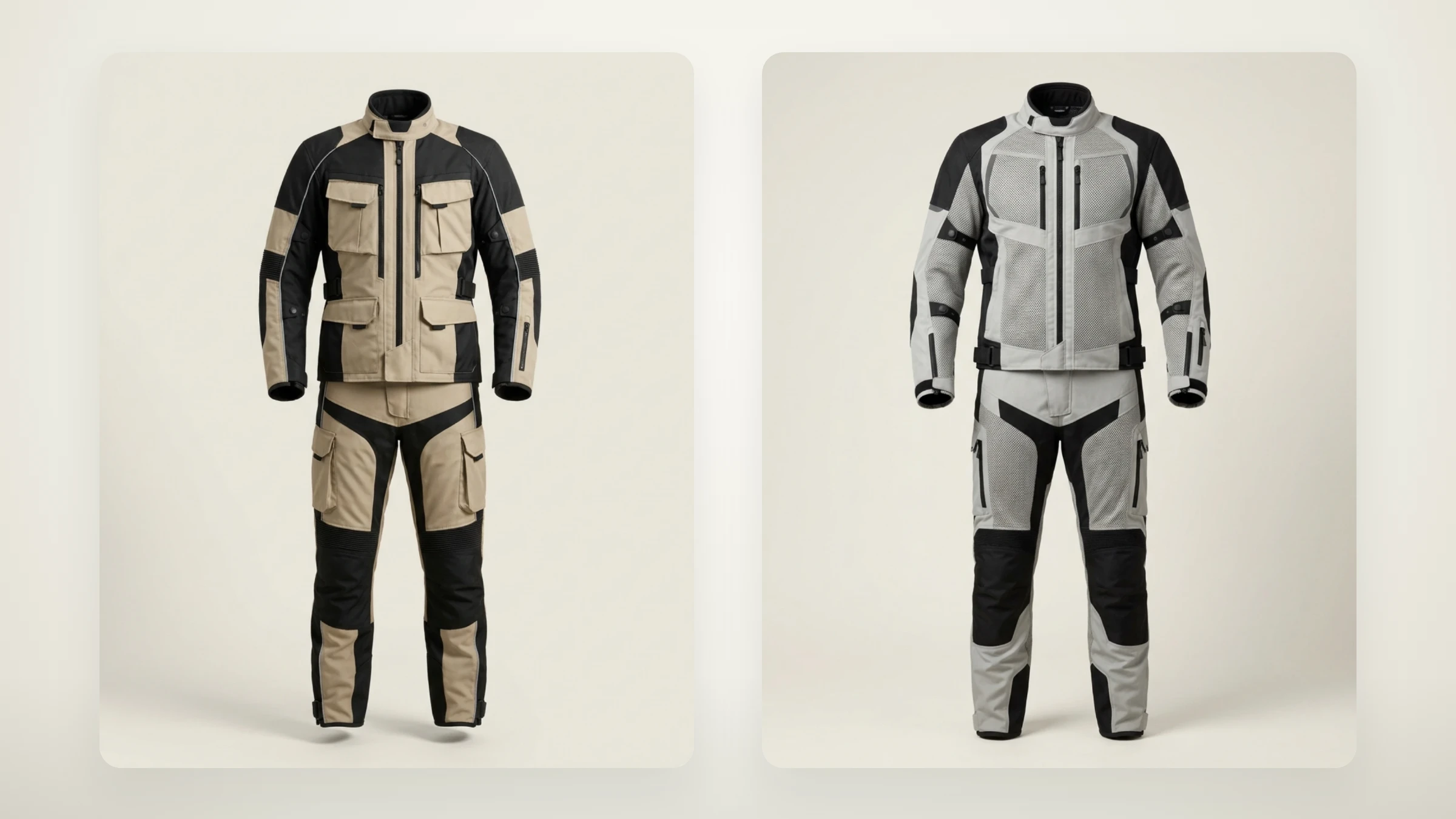
Choosing the right cordura motorcycle jacket manufacturer determines whether your riding jackets protect skin during an asphalt slide or fail under warranty in their first rainstorm. Motorcycle gear buyers in the UK, Europe, North America, and Australia face three common production risks: low-grade polyester shells that melt from friction heat, unsealed needle holes that leak through waterproof linings, and high factory minimums that lock up startup cash.
At BROXAIL International in Sialkot, Pakistan, we manufacture custom leather and woven textile riding outerwear from 50 pieces per style and design. Every shell weight, membrane type, seam construction, and trim package is built strictly to buyer’s spec, supported by a tech pack free with order and shipping to over 40 countries.
Key takeaways
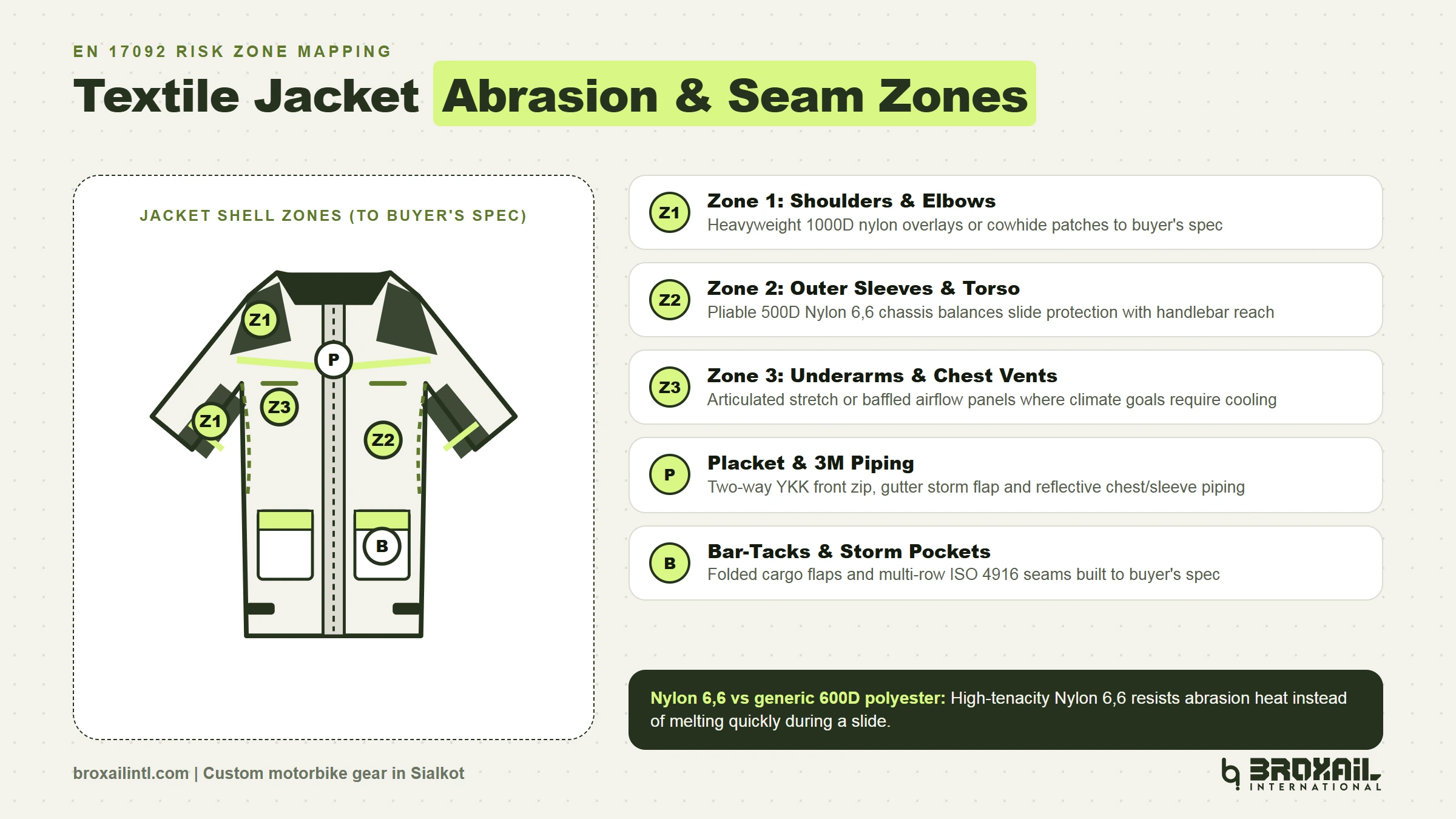
- Abrasion-Zone Mapping: Pair heavyweight 1000D-class overlays at Zone 1 shoulders/elbows with flexible 500D Nylon 6,6 across Zone 2 torso and arms to buyer spec.
- Waterproof Architecture: Choose breathable drop-liner membranes for drape and budget, or laminated shells with heat-sealed seam tape to block storm wet-out.
- Safety Seams & Armour Pockets: ISO 4916 safety seam geometry, bar-tacked stress points, storm cargo flaps, and multi-height EN 1621 armour pockets anchor pads over joints.
- Low-MOQ Terms: 50 pieces per style and design, tech pack free with order, 7 to 10 days standard sample (complex membranes longer), and about 3 weeks bulk.
How does a Cordura motorcycle jacket manufacturer map abrasion zones?
A capable motorcycle jacket manufacturer maps shell fabric weights across specific crash risk zones rather than building the entire garment from one stiff cloth.
According to official CORDURA fabric specifications, classic CORDURA textiles use high-tenacity air jet-textured Nylon 6,6 filament yarns across grades such as 330D, 500D, 700D, and 1000D. High-tenacity Nylon 6,6 delivers markedly higher abrasion and tear resistance than generic 600D polyester shells, which soften and melt faster under friction heat during a road slide.
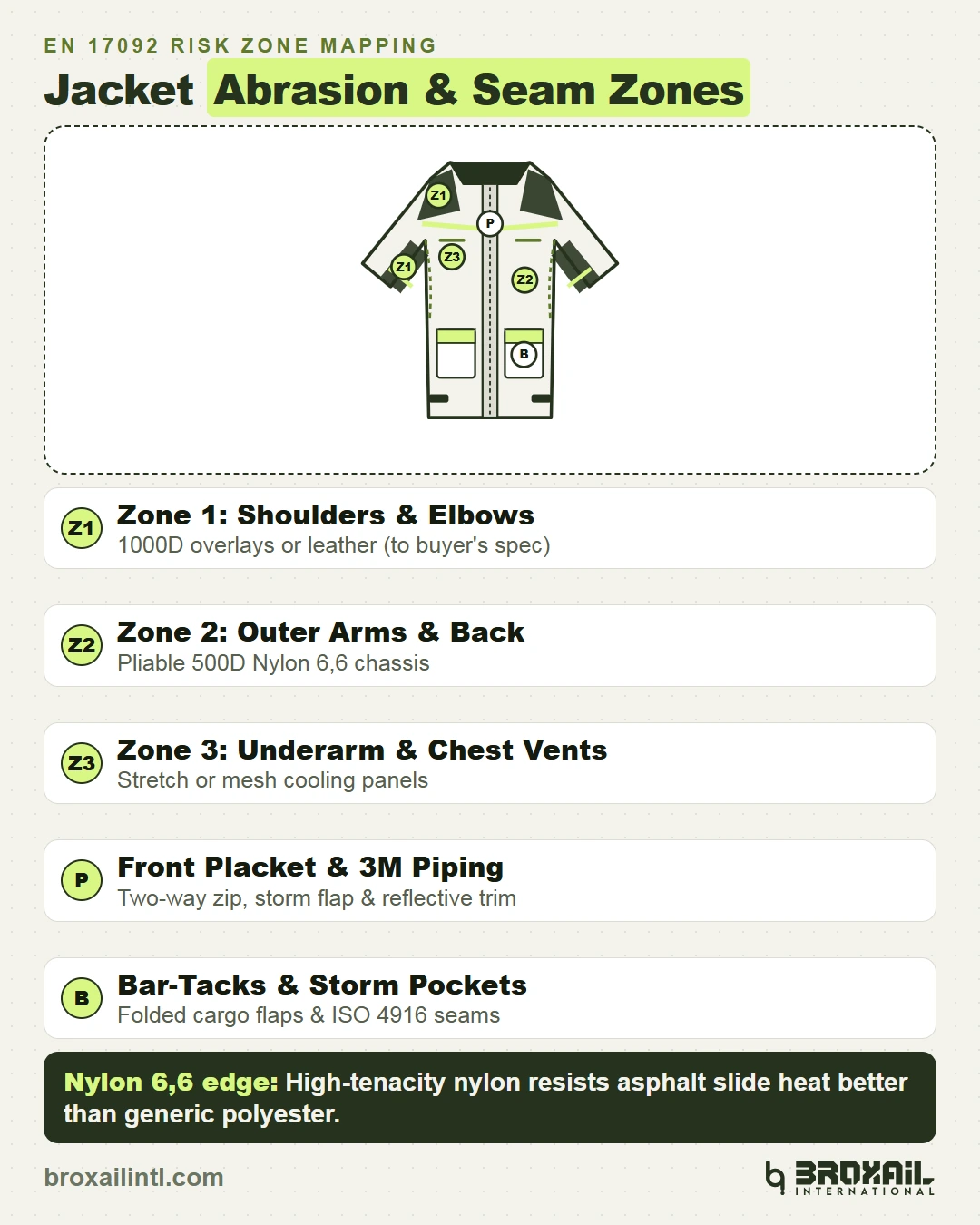
However, cutting a full jacket out of heavyweight 1000D nylon creates stiff shoulders, arm fatigue, and poor torso drape. Modern adventure and touring pattern makers therefore divide the jacket shell according to the risk zones defined under EN 17092:
- Zone 1 (Highest Crash Risk): Shoulders and elbows face primary impact and tarmac friction. Buyers specify heavyweight 1000D nylon overlays, double textile panels, or leather patches over these joints.
- Zone 2 (Moderate Risk): Outer sleeves, upper back, and side torso panels use pliable 500D high-tenacity nylon so riders reach handlebars comfortably while keeping slide protection.
- Zone 3 (Lowest Risk): Underarms, inner sleeves, and front comfort panels focus on stretch, ventilation, or open-mesh airflow where rider climate goals demand cooling.
At BROXAIL, we never lock brands into one stock cloth. Shell deniers, GSM weights, polyurethane backings, and DWR finishes are sourced to buyer’s spec and confirmed on pre-production swatches. Compare textile shells with cowhide in our leather vs textile jackets guide.
Should you specify a drop liner or a laminated waterproof membrane?
Specify a drop liner when flexibility and lower unit cost matter most, or choose a laminated shell when year-round touring riders demand zero outer-fabric saturation.
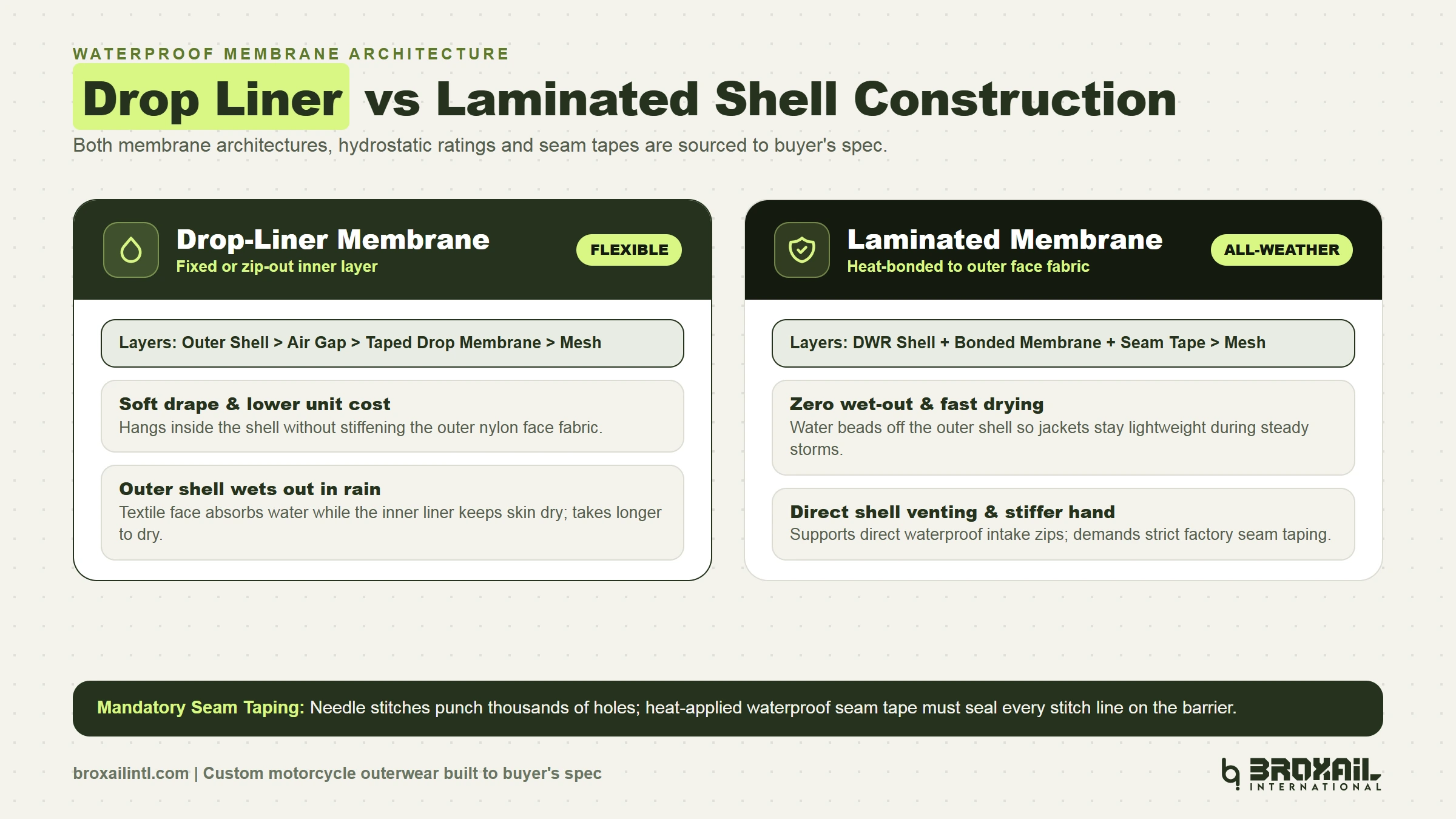
Both architectures block liquid rain from reaching the rider, yet they behave differently on the road and on the factory sewing floor:
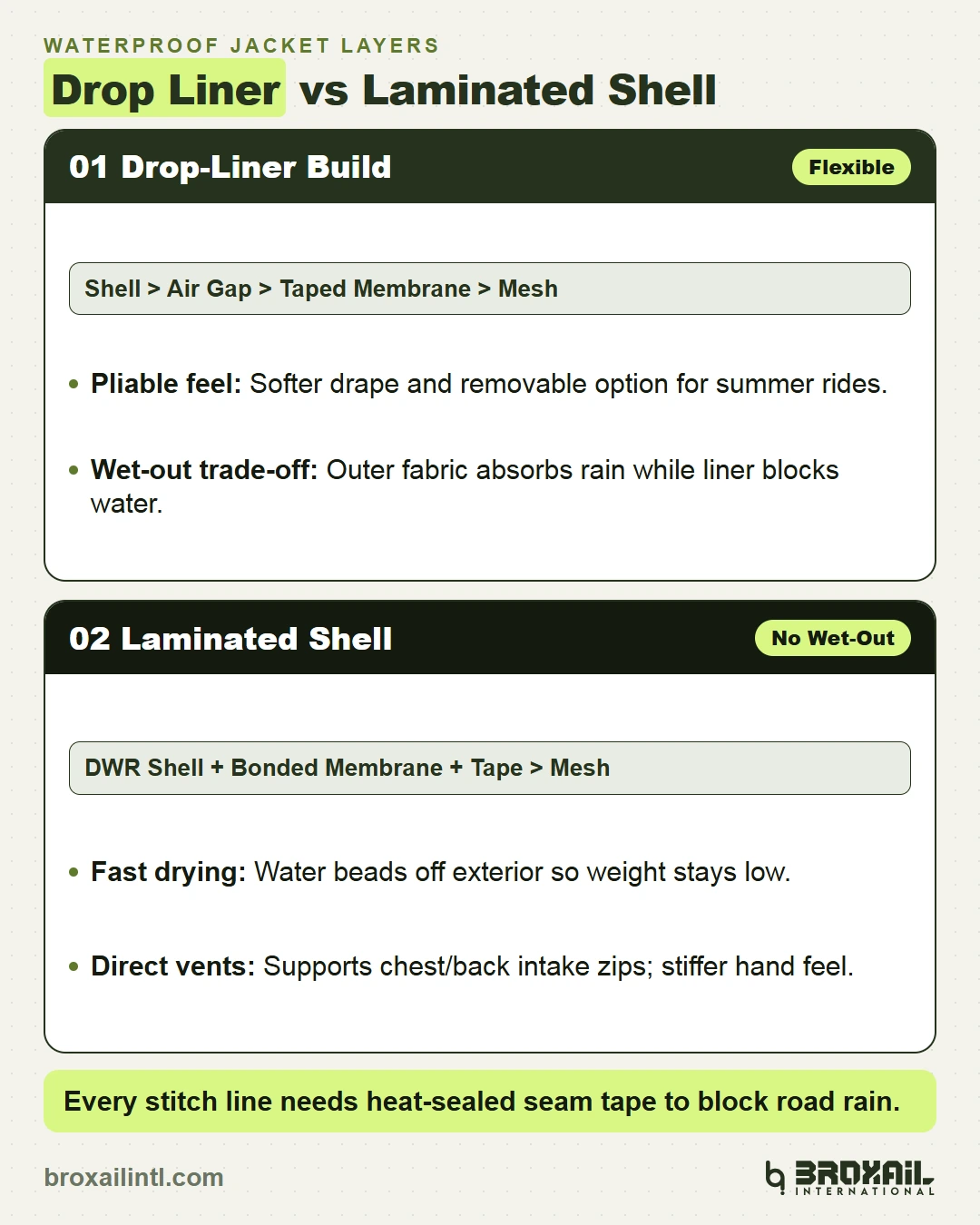
- Drop-Liner Construction (Fixed or Zip-Out): The waterproof membrane hangs inside the outer shell, anchored at shoulders, cuffs, and hem or zipped out completely. Rain wets the outer textile while the inner liner keeps skin dry. The shell feels heavier until dry, yet drop liners drape softly and simplify production tolerances.
- Laminated Membrane Construction: The waterproof membrane bonds directly to the back of the outer shell textile. Water beads off the face fabric so the jacket stays light in long storms and dries rapidly. Laminated shells also support direct zippered torso vents, though hand feel starts stiffer and seam-taping tolerances are stricter.
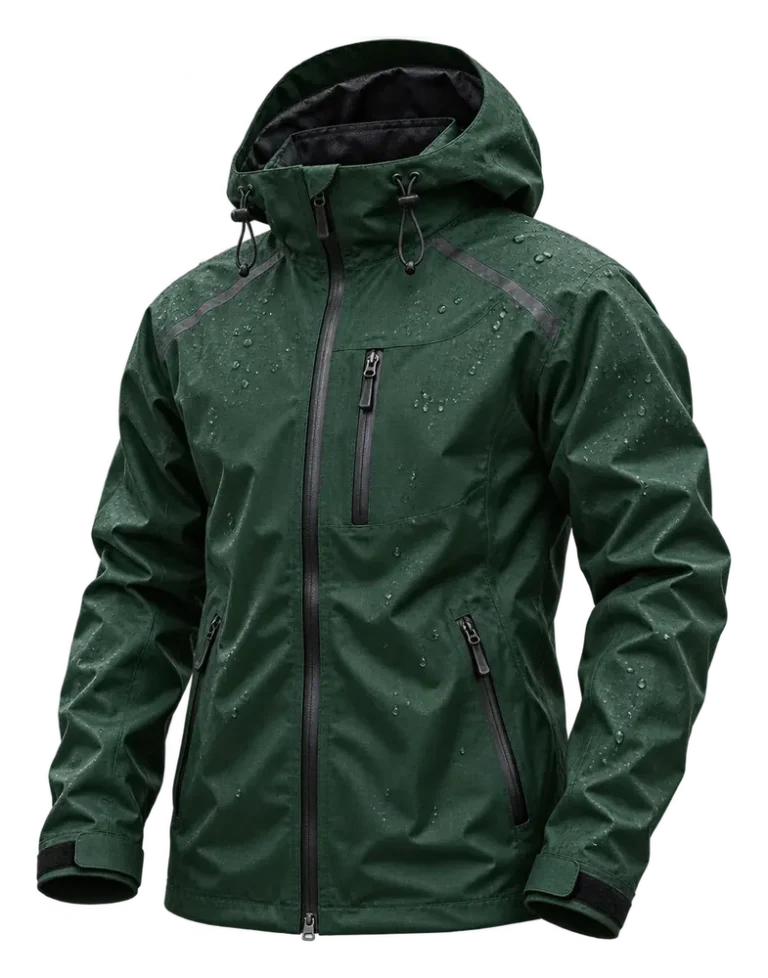
Without heat-applied waterproof seam tape covering every needle hole, rainwater pushes straight through stitched seams at road speed. See multi-season layering on our all-weather riding jacket build guide. All membrane ratings and seam tapes are sourced to buyer’s spec.
How are motorcycle jacket pockets and high-stress seams engineered?
Factory pocket engineering and multi-row seam construction keep protective pads aligned over joints and prevent external gear from tearing open under wind drag or impact.
Structural Safety Seams and Bar-Tack Points
Single-needle seams split easily when an outer shell catches rough tarmac. Under motorcycle PPE testing frameworks referencing ISO 4916 safety seam geometry, factories combine internal folded stitch lines with secondary topstitching using high-tensile nylon or polyester thread so outer stitches cannot abrade and burst simultaneously.
In addition, high-load areas on a textile jacket fail first from repeated pulling rather than crashes. We reinforce pocket corners, collar tabs, zip termination stops, waist strap anchors, and cuff adjusters with dense zigzag bar-tack stitches to distribute tear loads across a wider weave area.
External Storm Pockets and Internal Electronics Storage
Riders access pockets wearing thick gloves and riding upright in heavy rain. Good tech packs address three functional details:
- Folded Storm-Flap Cargo Pockets: Top edges fold over twice before snapping shut, forming a rain labyrinth so water running down the chest cannot wick inside.
- PU-Coated Water-Resistant Chest Zips: Paired with a zip garage at the top end to shield teeth from wind-driven spray.
- Dedicated Internal Pockets: Positioned behind the waterproof barrier with hook-and-loop tabs or zip closures so phones, registration papers, and wallets stay dry.
Internal EN 1621 Armour Pockets
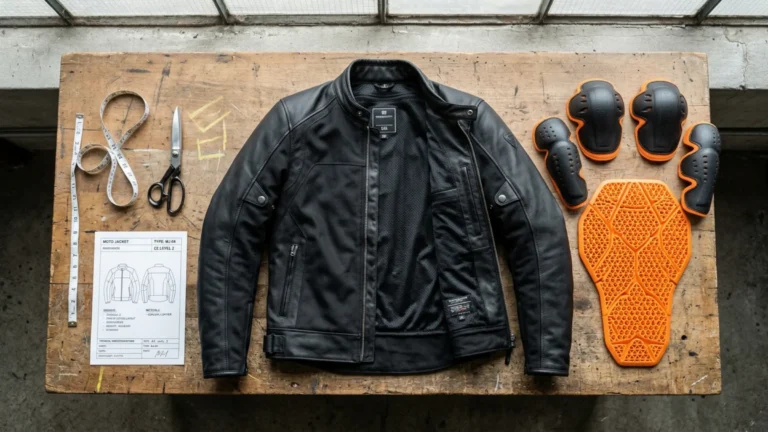
A shell is only half of the safety system. Impact pads must stay anchored over the elbow, shoulder, and spine instead of twisting away during a tumble. Under European EN 1621-1 (limb joints), EN 1621-2 (spine), and EN 1621-3 (chest) standards, Level 2 protectors transmit lower impact force than Level 1 protectors. We stitch breathable mesh or stretch armour pockets directly into structural seams, adding multi-position hook-and-loop ladders inside elbow pockets so riders can shift pad height for their forearm length. Review our CE Level 2 armour manufacturing guide for full pocket tolerances, and note that BROXAIL constructs garments and pockets to buyer’s spec while buyers arrange third-party lab assessment (such as SATRA) for formal EN 17092 garment conformity.
| Pocket / Seam Element | Spec Function in Textile Riding Gear | Factory Construction Rule |
|---|---|---|
| ISO 4916 Safety Seams | Stops seam burst during slide friction | Dual concealed and external stitching to buyer’s spec |
| Storm-Flap Cargo Pockets | Blocks rainwater wicking at highway speed | Double-folded rain labyrinth top edge with bar-tack stops |
| EN 1621 Armour Pockets | Keeps elbow, shoulder, and spine pads centred | Breathable mesh carrier with multi-height hook-and-loop ladders |
What closures, vents, and visibility trims belong in a textile riding spec?
Heavy-duty front closures, baffled airflow zips, and retro-reflective trims complete a riding jacket by stopping wind chill, managing rider heat, and raising night visibility.
- Main Front Placket: Two-way front zippers (sourced to buyer’s spec using brands such as YKK) let riders unzip slightly from the waist upward to prevent belly bunching when seated on a tank. Behind or in front of the teeth, an overlapping gutter storm flap with snaps or hook-and-loop strips blocks wind pressure and rain seepage.
- Baffled Ventilation Channels: Two-way forearm vents, chest intake zips, and rear exhaust ports drive push-through airflow. On drop-liner jackets, vents coordinate with zip-out liners; on laminated shells, waterproof zips vent straight through the shell. Review warm-climate builds in our ventilated textile bike suit breakdown.
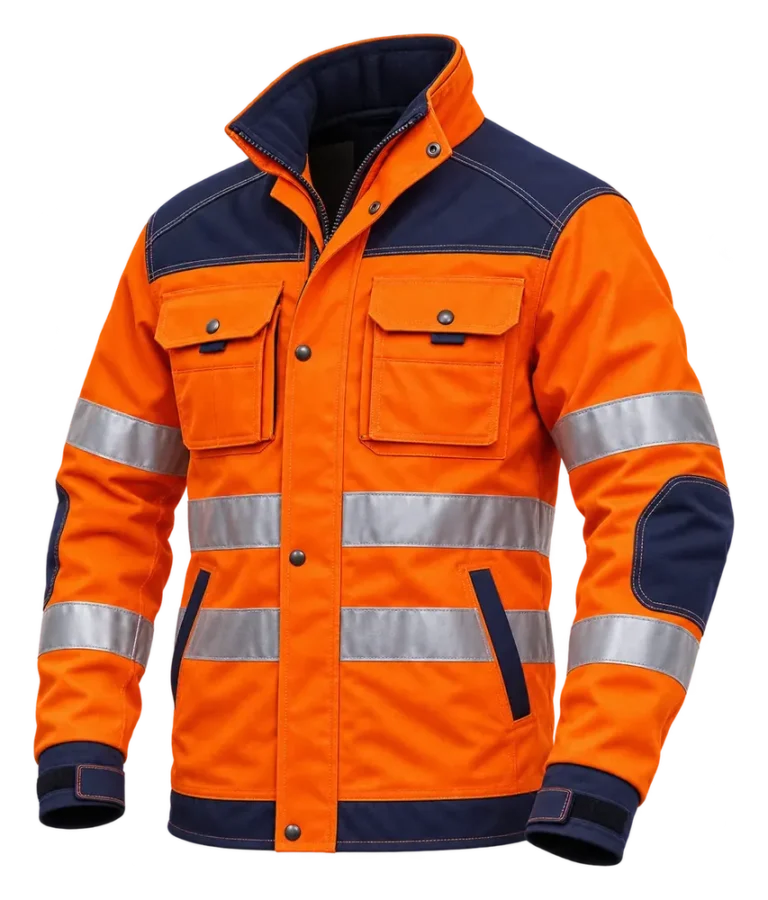
- 3M Reflective Piping and Panels: Retro-reflective piping along shoulder yokes, sleeves, and back hems lights up cleanly in headlights without overpowering daytime styling.
- Ergonomic Fit Adjusters: Arm cinch straps keep elbow pads locked over joints, while micro-fleece collars and neoprene cuff trims stop wind-chafing on long rides.
All zips, snaps, reflective piping, and linings are procured strictly to buyer’s spec.
How does BROXAIL produce custom textile motorcycle jackets from 50 pieces?
BROXAIL turns sketches, reference samples, or tech packs into custom textile motorcycle jackets starting at 50 pieces per style and design, shipped to brand warehouses across more than 40 countries.
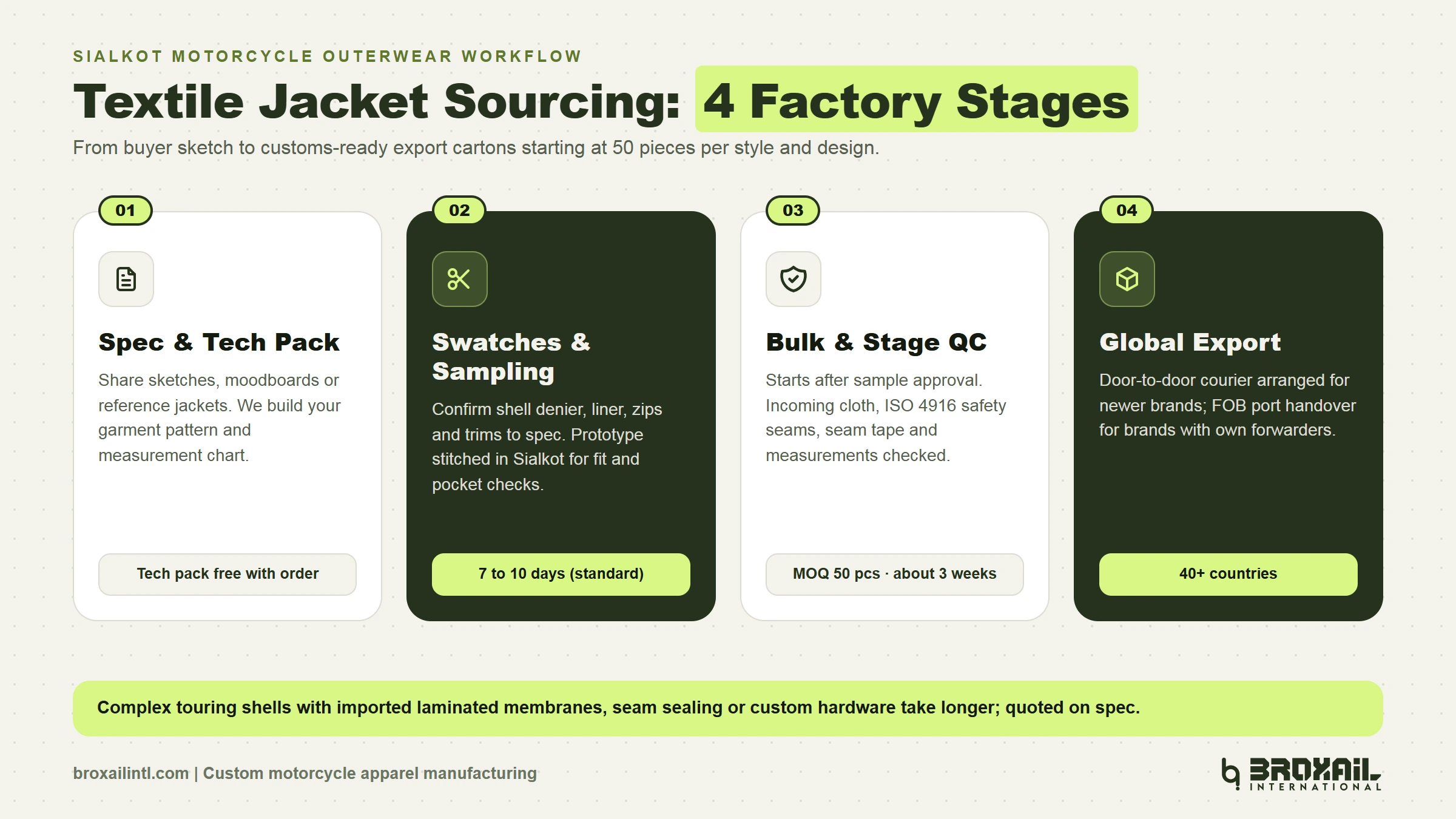
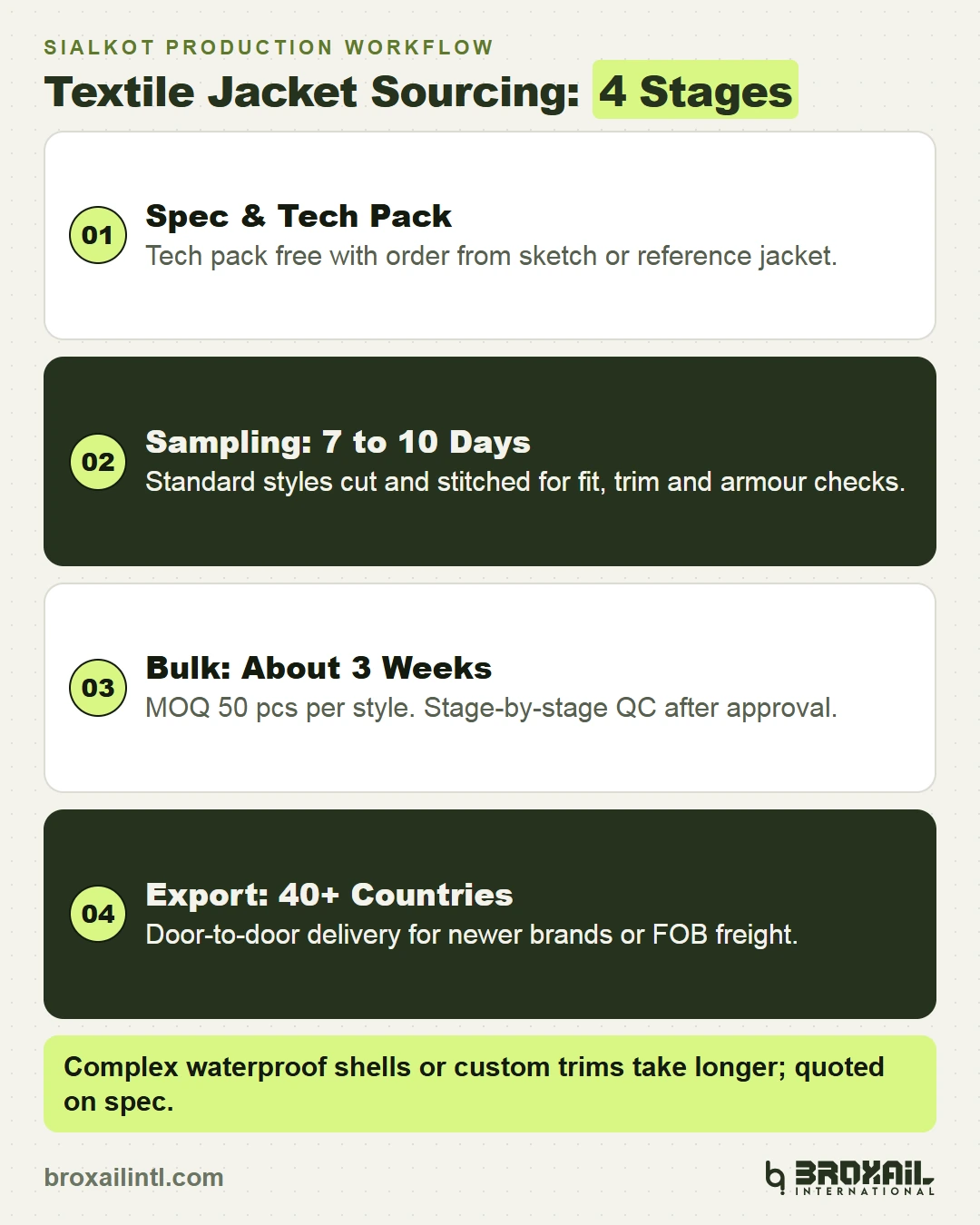
Here is how a private label production order moves through our Sialkot factory:
- Brief and Tech Pack Setup: Send your sketches, moodboard notes, or physical reference jacket. We include a tech pack free with order, documenting measurements, seam types, pocket specs, and trim positions for your sign-off.
- Material Sourcing and Standard Sampling: Standard styles take 7 to 10 days for pre-production sampling. Complex multi-layer touring jackets requiring imported waterproof membranes, custom-dyed trims, seam sealing, or custom hardware take longer, with timing confirmed once your exact specification is reviewed.
- Bulk Production and Stage Quality Checks: Once you approve the fit and trim sample, bulk manufacturing takes about 3 weeks across standard 50-piece minimum runs. Our team inspects incoming fabrics, safety stitching, seam tape adhesion, pocket placement, and finished measurements at each stage before packing.
- Global Export Delivery: Newer labels usually select door-to-door courier or air freight arranged by our export desk, while larger brands often book their own FOB sea or air freight. Payment runs on standard production milestones (50% advance, 30% during production, 20% before shipment).
Browse our current motorbike apparel range or read how we manage patterns and bulk runs across our clothing manufacturing process.
Frequently asked questions
What is the minimum order quantity for custom textile motorcycle jackets?
Our minimum order quantity is 50 pieces per style and design. Startups and established riding brands can split that 50-piece run across graded sizes (for example S to 3XL) while keeping one unified shell fabric and colourway spec.
Should my brand use 500D or 1000D nylon for a custom touring jacket?
Most touring and adventure labels combine both weights rather than choosing only one. Using pliable 500D high-tenacity nylon across the chest, back, and torso keeps the jacket comfortable for long days in the saddle, while placing 1000D overlays over the shoulders and elbows strengthens primary impact zones. All fabric weights are sourced to buyer’s spec.
Why do waterproof motorcycle jackets leak at the seams without tape?
Industrial sewing needles pierce tiny holes along every seam line. Even if the membrane itself blocks water under hydrostatic pressure, rainwater wicks through stitched perforations during highway riding unless every seam on the waterproof layer is covered with heat-sealed waterproof seam tape.
Can BROXAIL build pockets for CE Level 1 and Level 2 protectors?
Yes. We engineer internal shoulder, elbow, spine, and chest protector pockets to match your exact EN 1621-1, EN 1621-2, or EN 1621-3 protector shapes, using your supplied pads or sourced inserts to buyer’s spec. Brands seeking formal EN 17092 garment ratings submit completed garments to an accredited third-party test laboratory such as SATRA.
How long do samples and bulk textile jacket orders take?
Standard garment samples take 7 to 10 days. Complex waterproof motorcycle jackets involving laminated membranes, seam taping, or imported custom trims take longer depending on material availability and construction complexity. Bulk production takes about 3 weeks after you sign off on the physical sample, with shipping via door-to-door courier or FOB freight to over 40 countries.
Call to Action
Planning a textile touring, commuter, or adventure motorcycle jacket line for next season? Send your sketches, target zone specs, or reference garment to our Sialkot production team at sales@broxailintl.com or request a quote to receive your tech pack free with order and sample timeline.

Written by
Muhammad Abubakar
Muhammad Abubakar runs BROXAIL International, a custom leather and textile apparel manufacturer in Sialkot, Pakistan. He works with brands, labels and wholesalers from the first sample to delivery.