Types of Leather for Jackets: A Complete Guide for Brands
Types of leather for jackets explained: cowhide, goatskin, lambskin, buffalo and suede, plus full-grain, top-grain and finishes like aniline.
Key takeaways
- Cowhide is the all-rounder: tough and ideal for biker and motorbike jackets.
- Lambskin is the softest and lightest, best for fashion. Goatskin sits in between.
- Full-grain is the top grade, then top-grain. Split leather and suede come from lower layers.
- The finish, such as aniline or waxed, changes the look as much as the animal does.
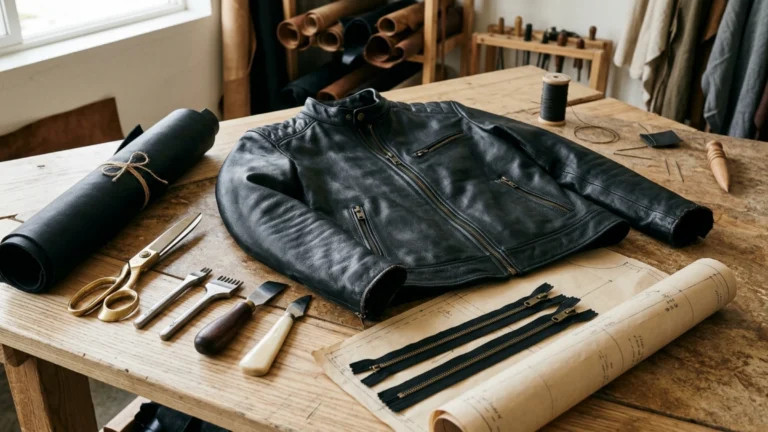
Choosing between the types of leather for jackets is where a jacket line really starts. The leather decides how the jacket feels on day one, how it looks after five years and what price you can ask for it.
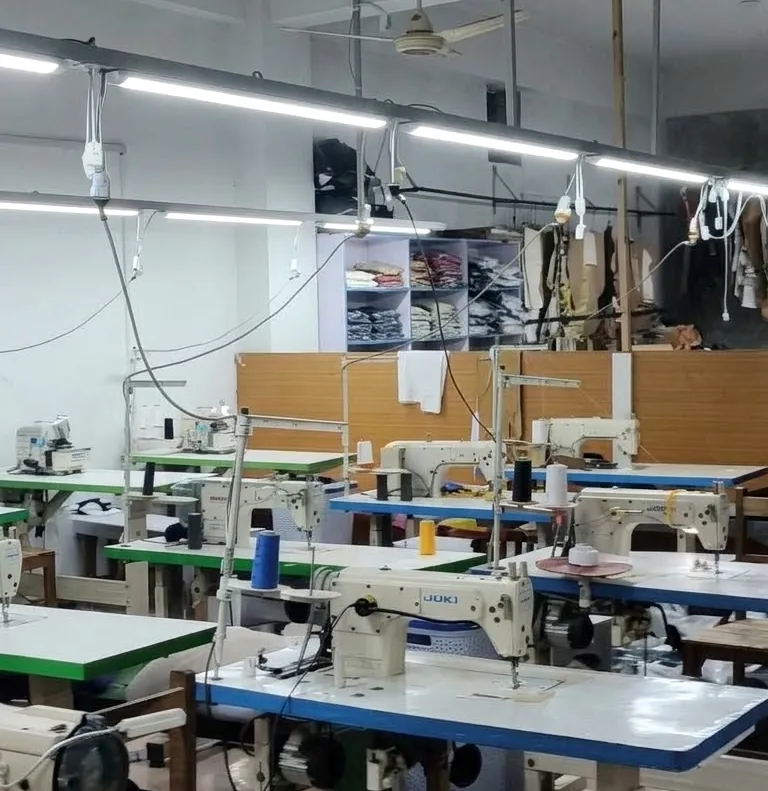
At BROXAIL we work with hides every day in Sialkot, one of the oldest leather centres in the region. Here is a plain guide to the leathers we use, the grades within them and the finishes that give each jacket its character.
Types of leather for jackets by animal
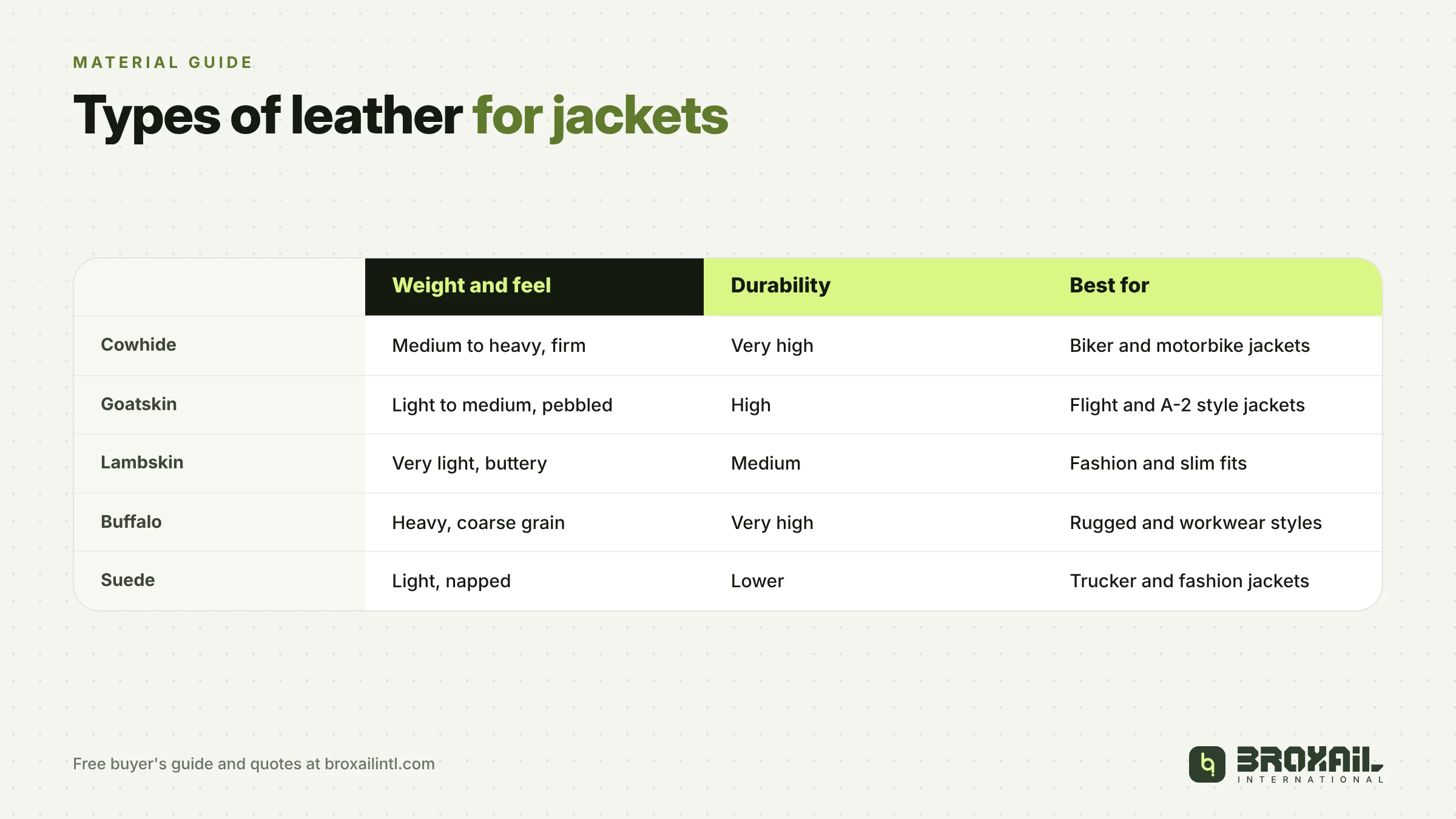
Most jackets are made from one of five leathers. Each has its own weight, grain and strength.
Cowhide
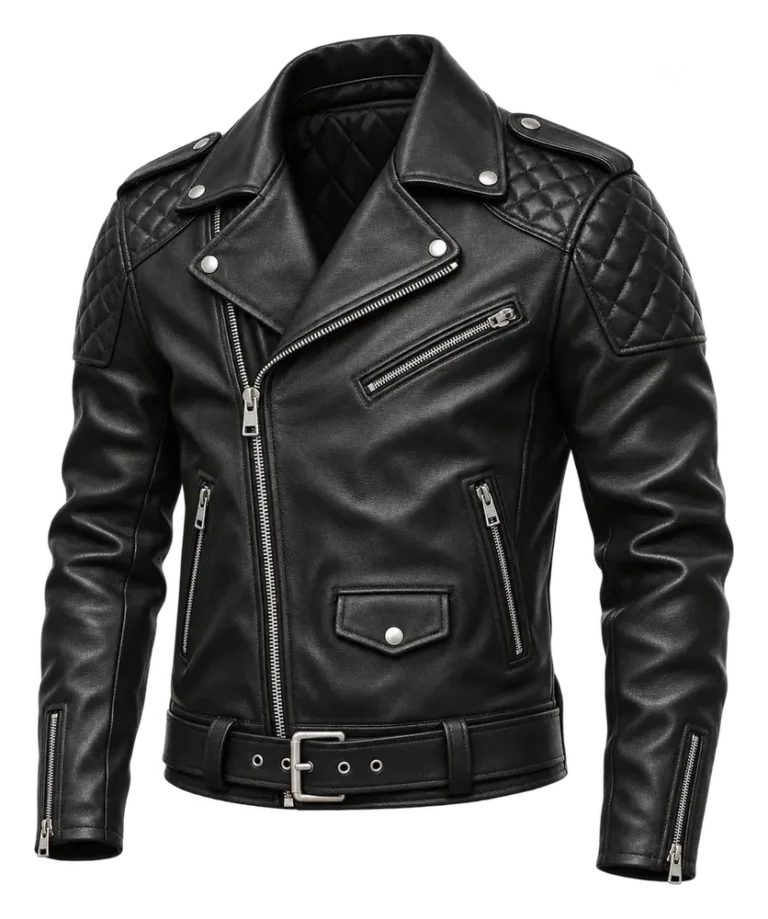
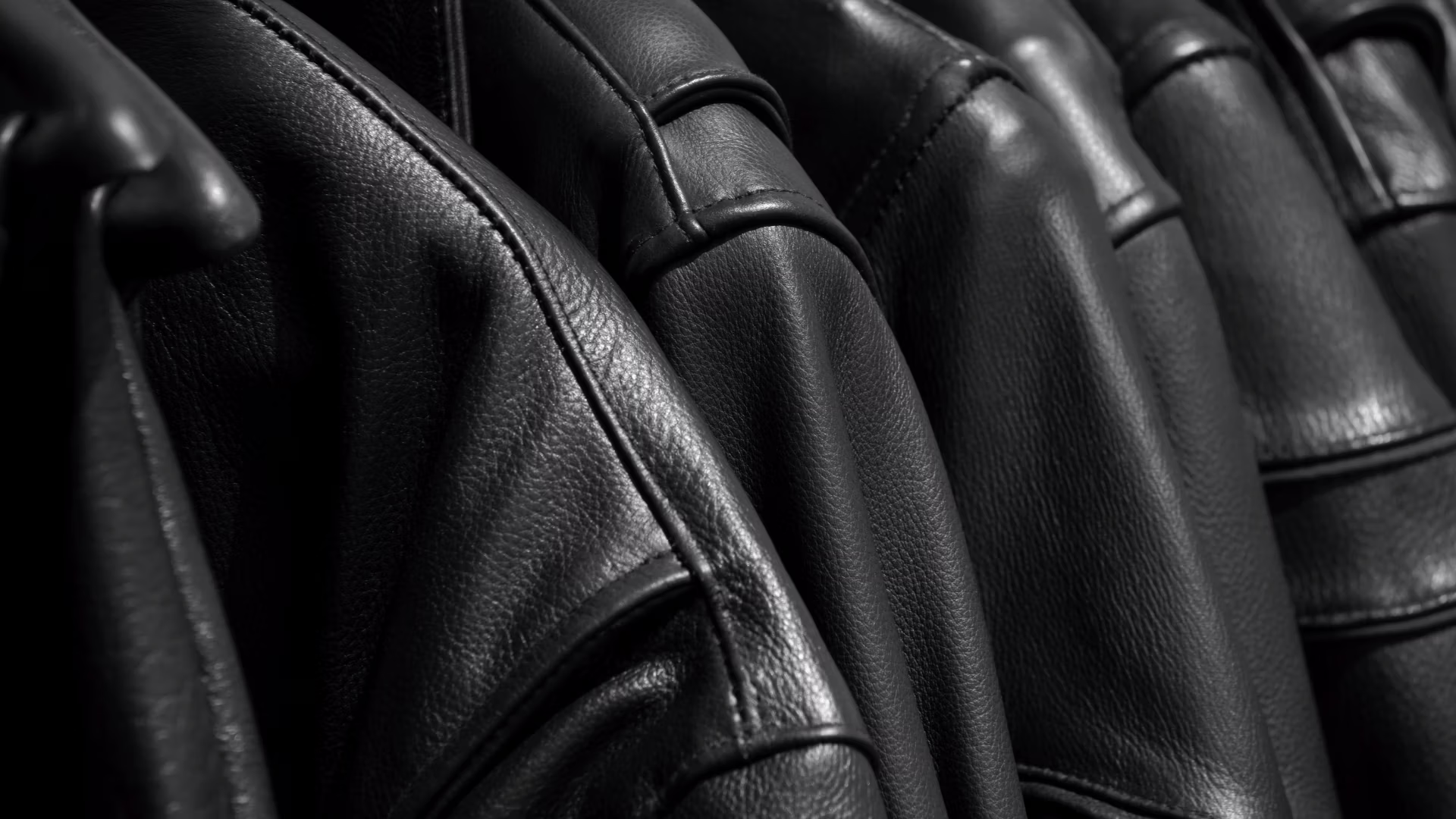
Cowhide is the workhorse. It is thick, firm and very resistant to abrasion, which is why classic biker jackets and our motorbike apparel use it. It takes time to break in and rewards the wearer with a jacket that lasts for years.
Goatskin
Goatskin is lighter than cowhide with a pebbled grain. It is strong for its weight and stays supple, which made it the choice for military flight jackets. It suits brands that want durability without bulk. Lighter goatskin and lambskin are often used for leather fashion gloves and small leather goods.
Lambskin and sheepskin
Lambskin is the softest leather we cut. It drapes beautifully and feels luxurious from the first wear, but it scuffs more easily. Sheepskin with the wool left on is used for shearling collars and aviator jackets.
Buffalo and suede
Buffalo leather has a coarse, bold grain and is very tough, good for rugged styles. Suede is not an animal but a finish: the inner side of the hide is brushed to a soft nap. It looks rich but marks easily and needs protection from rain.
Leather grades: full-grain, top-grain and split
A hide is split into layers. The top layer, with the natural grain intact, is full-grain leather. It is the strongest and ages best. Top-grain is the same layer lightly sanded to remove marks, which gives a more even look but slightly less character.
The lower layers become split leather, often finished as suede or coated to look like grain. Split is cheaper and fine for some uses, but it is weaker. If you see “genuine leather” on a label with no grade, it is often split leather. Our article on PU leather vs genuine leather explains how real and synthetic compare.
Finishes that change the look
Aniline leather is dyed through with no surface coating, so you see every pore and natural mark. It feels the richest and develops the deepest patina. Semi-aniline adds a light protective layer for a more even colour. Pigmented leather has a stronger coating, which makes it hard-wearing and easy to clean.
Waxed and pull-up leathers lighten where they bend, giving a vintage look that grows with wear. Distressed and vintage finishes create that worn-in feel from day one. Each finish suits a different brand story, so it is worth seeing physical swatches before you decide.
How to choose the right leather for your jacket
Start with the use. For riding and protection, choose full-grain cowhide. For fashion and slim fits, lambskin or goatskin. For a heritage or workwear look, buffalo or waxed cowhide. Then match the grade to your price: full-grain for top-tier lines, top-grain for strong value. Heavy drum-dyed cowhide is also the usual choice for abrasion-resistant leather riding pants.
Remember that types of leather for jackets vary naturally by hide lot, so sorting by tone and thickness matters. We sort hides by tone and thickness to keep each order even. You can see the leathers we work with in our leather apparel range, and our size chart guide explains how leather colours are approved.
Thickness, tanning and testing for types of leather for jackets
Comparing types of leather for jackets by animal and grade is only half of a factory specification. Hide thickness measured in millimetres and ounces, tanning chemistry, and drum dyeing consistency determine how the finished garment drapes, stitches, and performs during bulk runs.
For fashion outerwear, lambskin and light goatskin are usually skived to 0.7 mm to 0.9 mm so seams sit flat around collars, cuffs, and quilted panels. Streetwear and casual heritage jackets commonly run 1.0 mm to 1.1 mm cowhide or buffalo hide. Heavy riding styles built for abrasion protection use 1.2 mm to 1.4 mm full-grain cowhide across impact zones, which aligns with our EN 17092 motorcycle garment standard production guidelines.
Tanning also shapes how different types of leather for jackets behave in wear and export storage. Chrome-tanned hides stay supple, resist water spotting, and hold uniform black and navy dye lots across repeat orders. Vegetable-tanned hides start firmer, show warm natural tone variation, and develop a rich patina over time, making them popular for heritage styles. Pull-up and waxed finishes combine oils and waxes over aniline dyes so creases lighten slightly along elbows and seams.
When brands source types of leather for jackets from our Sialkot factory, we confirm hide thickness, finish, and colour tone on physical swatches before cutting a single pattern. Every project starts at a 50-piece MOQ per style and design across graded sizes, includes a tech pack free with order, and moves from 7 to 10 day standard sampling into roughly 3 weeks of bulk production after sample sign-off. Buyers can choose door-to-door courier shipping for fast launches or FOB freight for larger shipments, with all hides and trims sourced strictly to buyer specification.
Checking these practical tolerances before ordering prevents mismatched panels, unexpected stiffness, and shade drift across sizes. Reviewing real swatches across all major types of leather for jackets makes it straightforward to match hide performance to your target retail price.
Frequently asked questions
What is the best leather for a jacket?
For most jackets, full-grain cowhide or goatskin gives the best balance of strength, comfort and lifespan. Lambskin is best when softness matters most.
Is full-grain better than top-grain?
Full-grain keeps the natural surface, so it is stronger and ages better. Top-grain is lightly corrected for a cleaner look and is still a good quality leather.
Is suede real leather?
Yes. Suede is real leather with the inner side brushed to a soft nap. It is softer but less resistant to water and wear.
Can I choose the leather for my order?
Yes. We send swatches of the leathers and finishes we work with, and you approve the leather before sampling.
Start with a swatch
The fastest way to compare types of leather for jackets is to hold the hides in your hand. Tell us the style and price point you are aiming for and we will suggest two or three options. Request a quote or read how we work as a leather jacket manufacturer.

Written by
Muhammad Abubakar
Muhammad Abubakar runs BROXAIL International, a custom leather and textile apparel manufacturer in Sialkot, Pakistan. He works with brands, labels and wholesalers from the first sample to delivery.