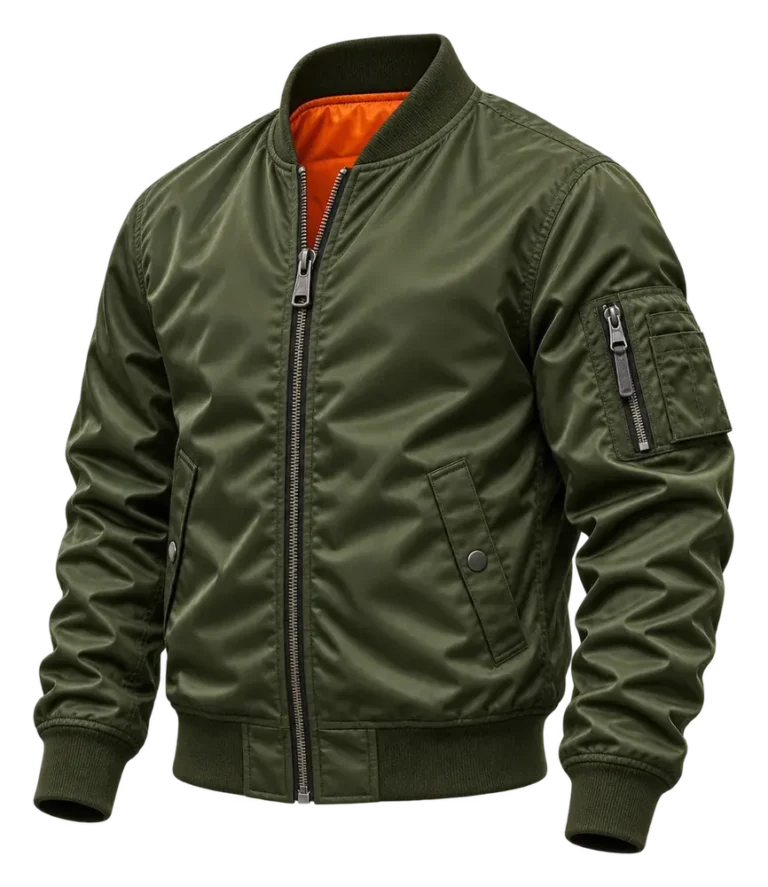
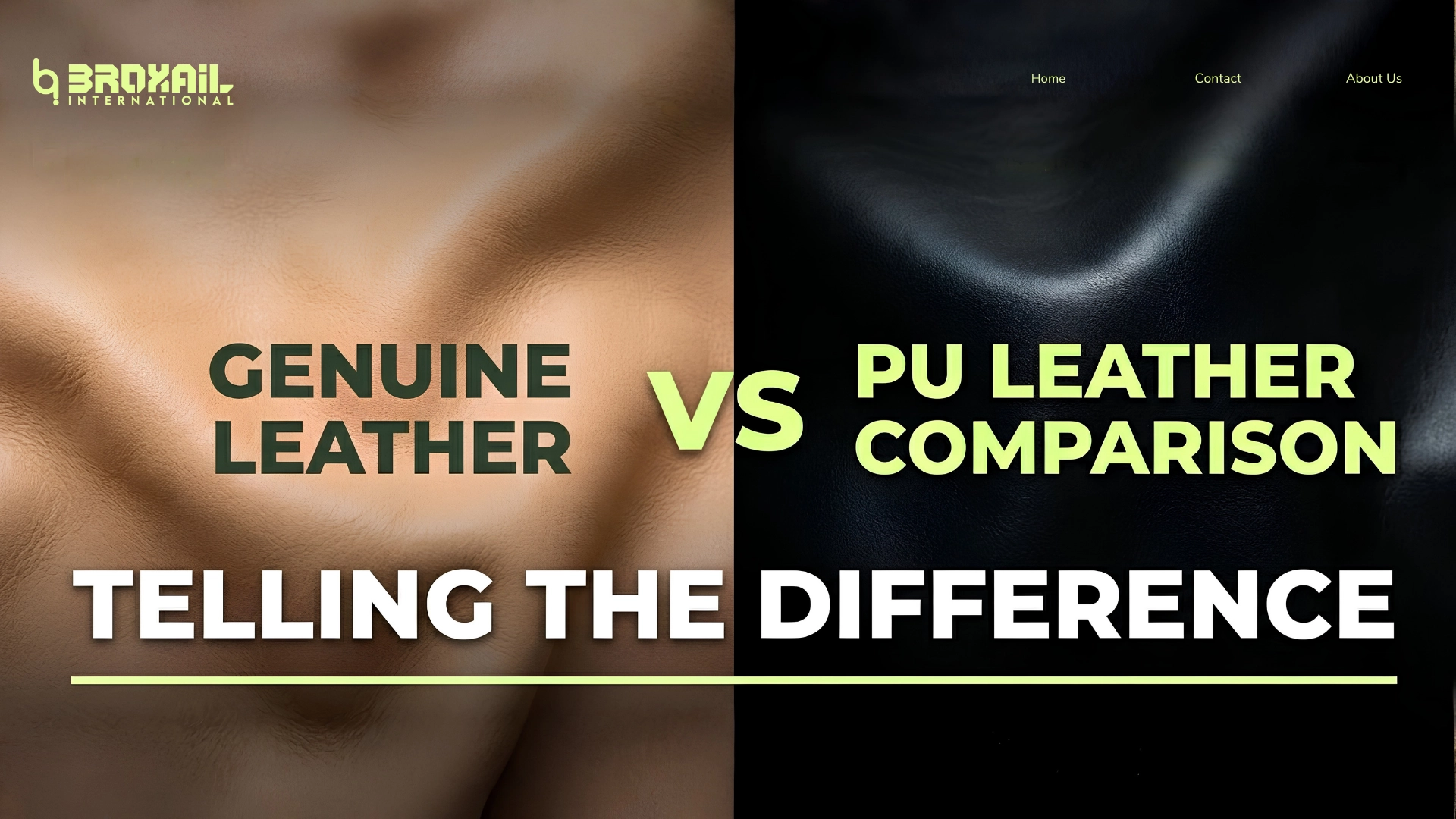
PU Leather vs Genuine Leather: How to Tell the Difference
PU leather vs genuine leather: how they are made, how to tell them apart, how long each lasts and which one makes sense for your jacket range.
Key takeaways
- Genuine leather is animal hide. PU leather is a plastic coating on a fabric base.
- Genuine leather breathes, softens and lasts for years. PU is cheaper and lighter but cracks and peels with time.
- Check the edges, the smell and the back of the material to tell them apart.
- Many brands use genuine leather for hero jackets and PU for fast fashion or vegan lines.
PU leather vs genuine leather is one of the most searched questions in fashion right now, and for good reason. Both can look almost the same on a hanger or in a product photo, yet one costs a few dollars per metre and the other is a natural hide that can last a lifetime.
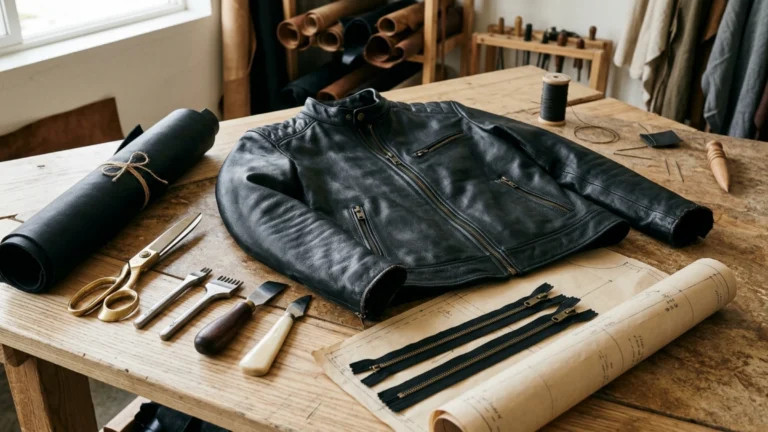
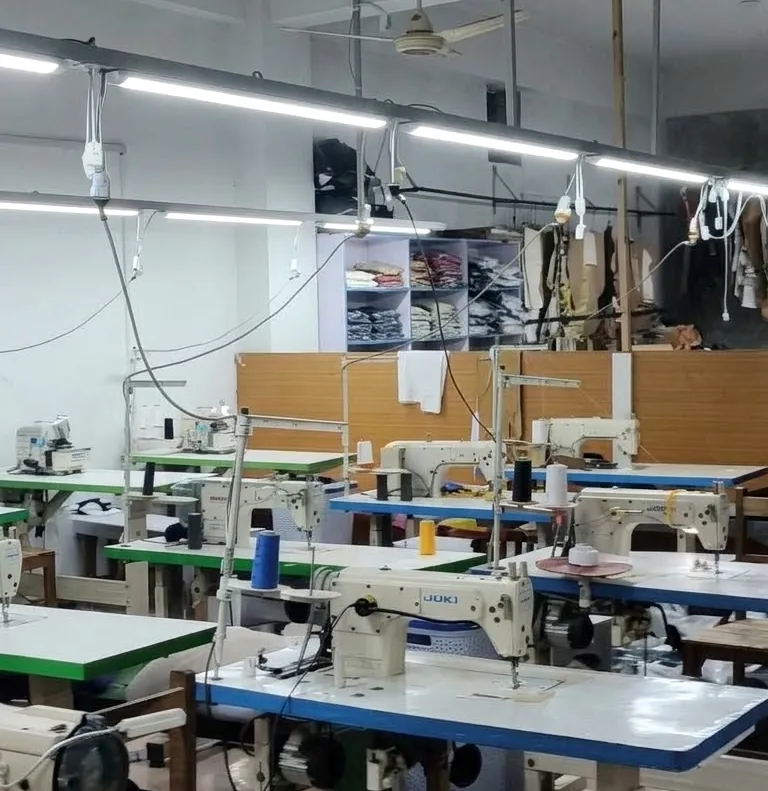
We cut and sew both in our factory in Sialkot. In this guide we explain what each material really is, how you can tell them apart in seconds and which one fits the jackets you want to sell.
What is PU leather?
PU leather, also sold as faux leather, vegan leather or leatherette, is made by coating a fabric base with a layer of polyurethane. The surface is then embossed with a grain pattern so it looks like hide. It is light, easy to clean and comes in any colour you can imagine.
Because it is made in long rolls, PU is very consistent from one jacket to the next, and it is cheaper to cut since there are no marks to avoid. The downside is that the plastic layer does not breathe and, over time, it can crack and peel away from the fabric underneath.
What is genuine leather?
Genuine leather is the hide of an animal, usually cow, goat or sheep, that has been tanned so it stays soft and does not rot. In everyday language it simply means real leather, as opposed to PU. In the trade, the quality of real leather varies a lot, from full-grain at the top to split leather at the lower end. Our guide to the types of leather for jackets explains each grade.
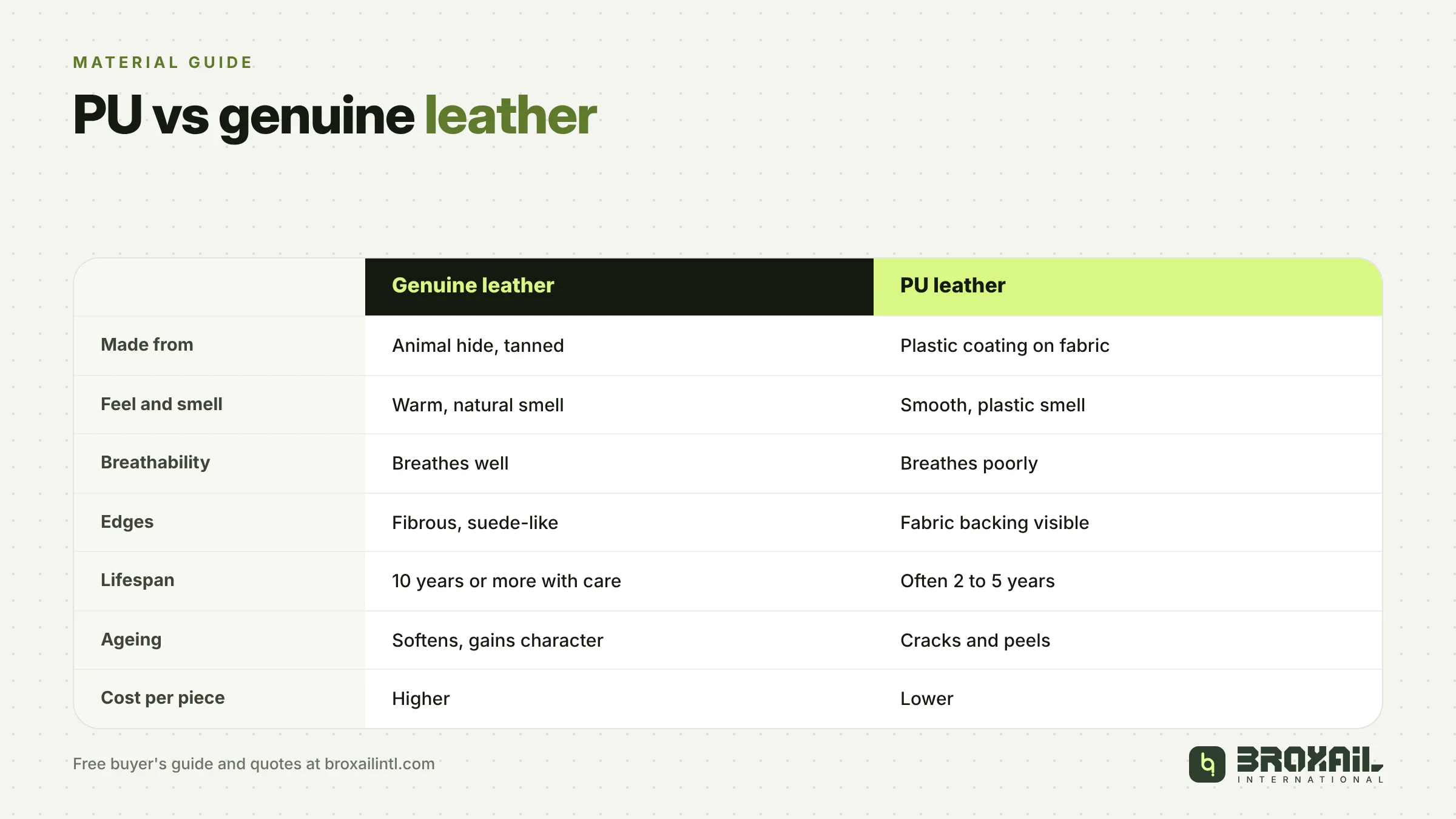
Real leather breathes, moulds to the body and develops a patina as it ages. It is heavier and needs a little care, but a good leather jacket can be worn for ten years or more.
PU leather vs genuine leather: 4 quick tests
You do not need a lab to tell them apart. These four checks work in a showroom, at a trade fair or when a sample arrives.
1. Look at the edge
Cut edges of real leather show a fibrous, slightly fuzzy layer, a bit like suede. PU shows a clean plastic layer on top of a woven or knitted fabric base. This is the most reliable test of all.
2. Check the grain
Real leather has pores and small irregularities that change across the panel. PU grain is printed, so the pattern repeats and looks too perfect.
3. Smell it
Real leather has a warm, natural smell. PU smells of plastic or chemicals, especially when it is new.
4. Press and stretch
Press your thumb into real leather and it wrinkles softly and recovers. PU tends to dimple evenly and feels cooler to the touch.
Durability, comfort and care
This is where the difference shows. A genuine leather jacket softens with wear and can be repaired, reconditioned and passed on. PU looks its best on day one. Depending on the quality, it often lasts a few seasons before the surface starts to crack, especially at elbows and collars. When buyers compare PU leather vs genuine leather for a multi-season outerwear line, lifespan and repairability usually decide the retail tier.
In warm weather real leather is more comfortable because it lets moisture escape. PU can feel sweaty. On the other hand, PU is lighter, handles rain better without treatment and can be wiped clean, which suits fashion pieces that are not meant to last a decade.
Which one should your brand choose?
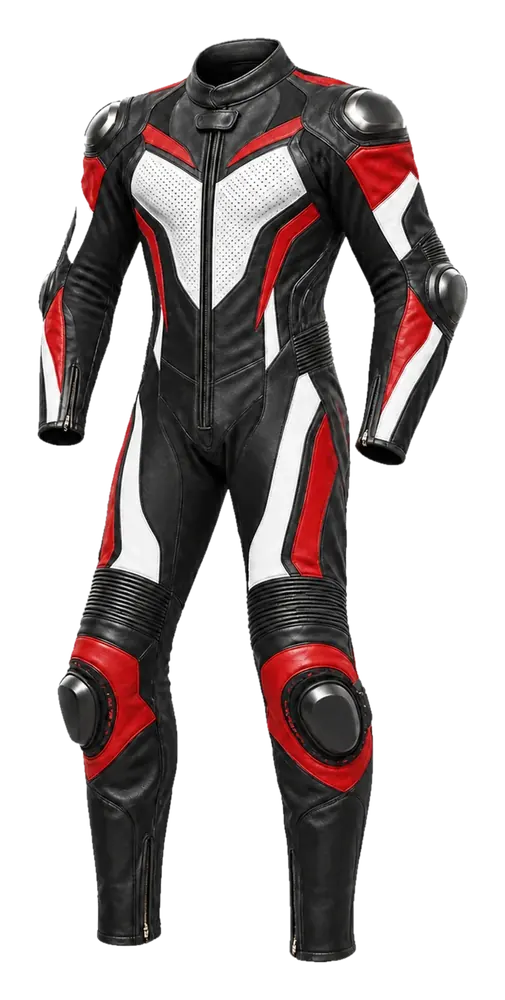
Think about your price point and your promise. If you sell on quality, heritage or protection, genuine leather is the stronger choice. Motorbike gear in particular should be real leather or tested technical textile, never PU, because PU offers little abrasion resistance. Our motorbike apparel is made for that reason in cowhide and tested textiles. Testing samples side by side makes the PU leather vs genuine leather decision clear for your target customer.
If you sell trend-led fashion, vegan lines or need a low retail price, PU can make sense, as long as your product page is honest about the material. Many brands run both: a full-grain hero jacket and a PU capsule for fast-moving styles. See our fashionwear and leather apparel ranges for examples.
Labelling and honesty
Customers search for PU leather vs genuine leather because they have been misled before. In many markets, calling a synthetic material “leather” without qualification is not allowed, so label PU clearly as PU, faux or synthetic leather. It protects your brand and avoids returns.
Frequently asked questions
Is PU leather real leather?
No. PU leather is a polyurethane coating on a fabric base. It looks like leather but contains no animal hide.
Which lasts longer, PU or genuine leather?
Genuine leather lasts much longer. A well made leather jacket can last ten years or more, while PU often starts to crack after a few seasons.
Is PU leather waterproof?
PU resists light rain better than untreated leather, but seams still let water in. Neither is fully waterproof without a membrane.
Can you make the same jacket in PU and real leather?
Yes. We can make one design in both materials, with small pattern changes because the materials stretch differently.
Making jackets in PU or genuine leather
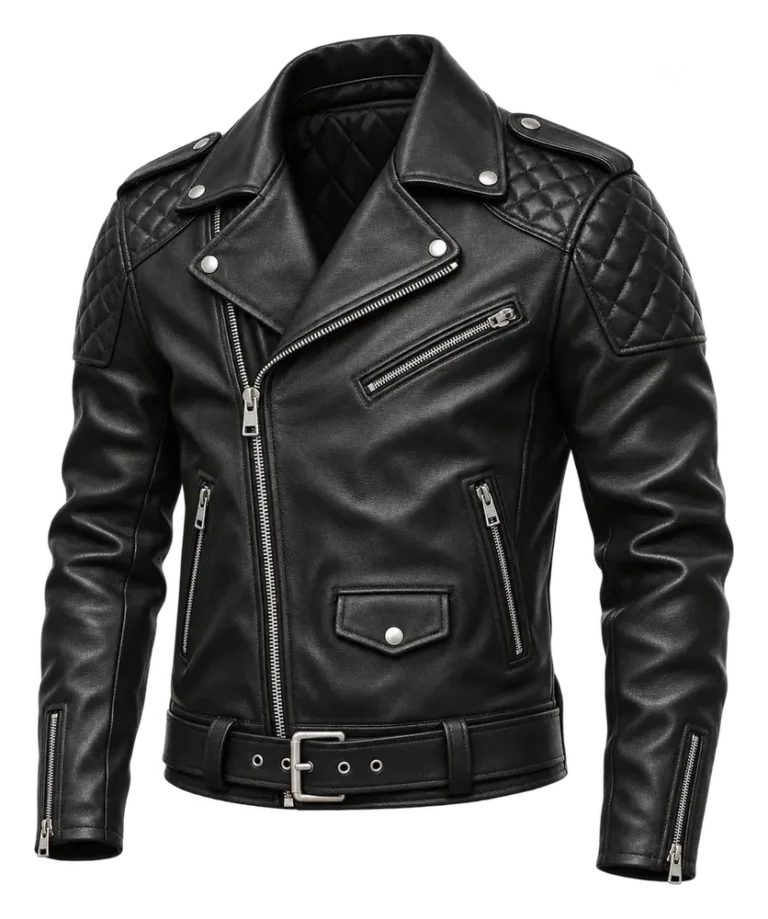
Whichever way you go, the quality comes from the cutting and the stitching as much as the material. Evaluating PU leather vs genuine leather early in development helps lock pattern tolerances and hardware specs before bulk cutting. Send us a photo or a tech pack and tell us which material you have in mind. We reply with a quote for both if you are unsure, and you can read how an order runs in our guide to the clothing manufacturing process, or request a quote straight away.

Written by
Muhammad Abubakar
Muhammad Abubakar runs BROXAIL International, a custom leather and textile apparel manufacturer in Sialkot, Pakistan. He works with brands, labels and wholesalers from the first sample to delivery.